
by Mary Middlebrook | Jan 12, 2018 | South Africa
Today we headed up the western coast to learn more about something very near and dear to my heart. Something that I seek out on all of my travels around the world- indigenous people. I wanted to learn about the original people of Southern Africa- the San people. So I booked a tour at the !Khwa Ttu educational center. The ! isn’t a punctuation mark- it’s a symbol that denotes a certain type of click that is used in their language. It was about a 1.5 hour drive through some pretty desolate land! Lots of sand dunes and fields. Soon we were turning off the main road onto a dirt road that led to !Khwa Ttu. The center itself is very nice and modern- there’s a little gift shop, a restaurant, and a mini-museum of sorts where there is a lot of written information about the Sans people. Apparently they are going to be opening a big museum soon. And this is where I have some devastating news. My SD card on my camera indicated that it was full about half way through our tour. I had forgotten to clear out all of the pictures and videos from our day with the cheetahs! I was outside, in the sun, and frantically trying to listen to the guide and delete pictures and videos as quickly as I could. When we got back to the house, I realized that I had accidentally deleted a lot of the pictures I took of the informational signs so I could read all of it. I’m so sick about this…gawd. Especially because there’s just so little information about these people online. That said, I’ll do my best to piece together our tour for you, but I’m not going to be able to share much of the history of the San people since that information was deleted. 🙁
We sat in the informational room and listened while our guide told us what to expect. There was a male guide from one tribe of San people, and a female guide from a different tribe. The San people are designated based on their language type, but not all tribes speak the same language. He taught us about the 5 different clicks that are in the language and how to do them. It was so interesting! The San come from many countries in Southern Africa, and have been moved around due to European settlers and wars for centuries. They were originally hunters and gatherers, moving from place to place based on the seasons to follow the animals they hunted and to find land for their cattle to graze on. They had no concept of land ownership. Of course, the Europeans did, and as they claimed all of the land that was originally San land, there was no place left for the San people to continue their culture. As with most indigenous people, they were completely marginalized, forced to abandon their ways and assimilate into white culture, and given little to no opportunities. Same story, different indigenous peoples. Sickening.
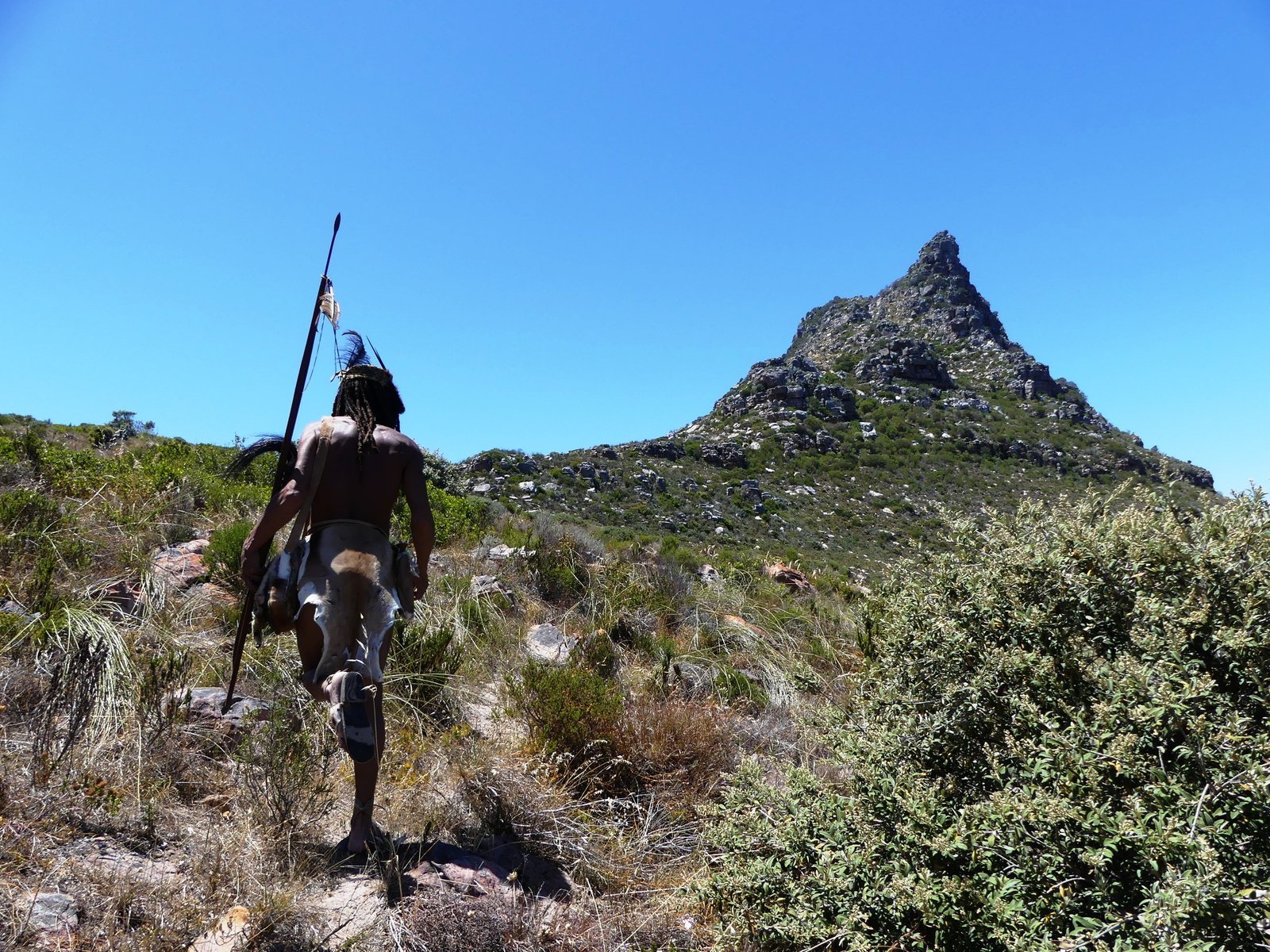
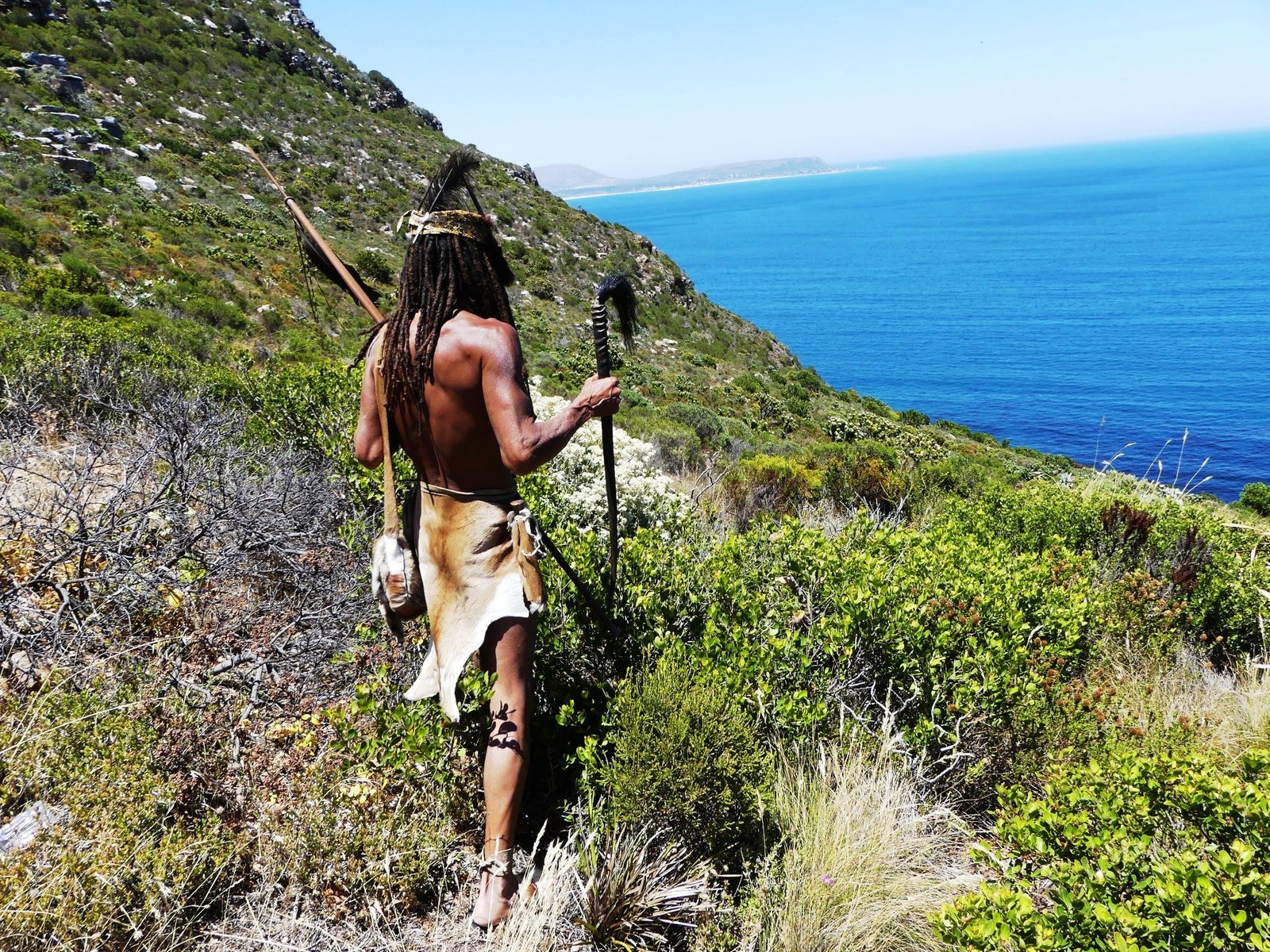
We boarded a tractor driven covered wagon sort of thing for a ride across the farm, where a typical Sans village had been set up. The male guide drove us down, and we took a short hike through the bush. He taught us about different antelope tracks- Elan (the biggest), Springbok, Bontebok, and two others I can’t remember because the video was deleted. 🙁 How his people would track and hunt the animals through the bush. We saw poisonous plants that were used to coat the spearheads. Soon we met up with the lady guide. There were a few little huts in a circle, which would be typical. The fire would be in the middle of the village, and only men were allowed to start fires. In fact, to get married, men had to prove they could start a fire and hunt. Their first kill they were not allowed to eat- it was for the village.
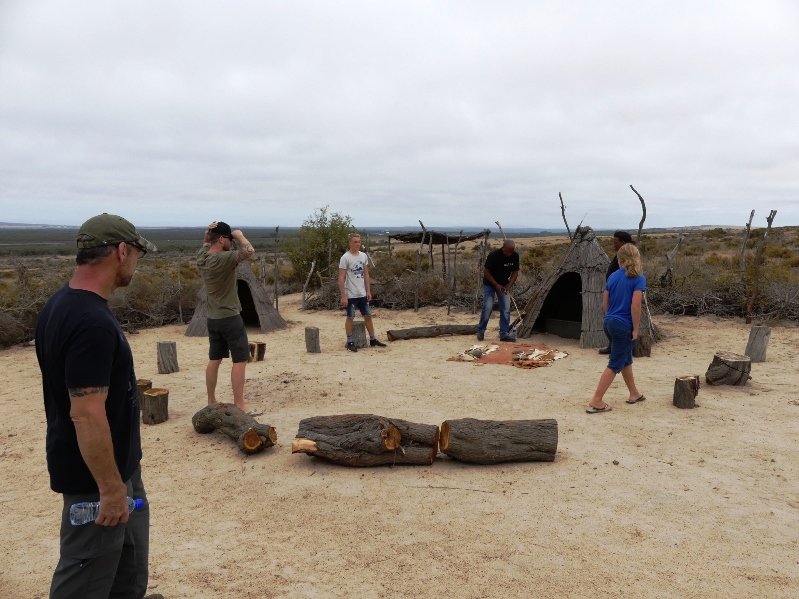
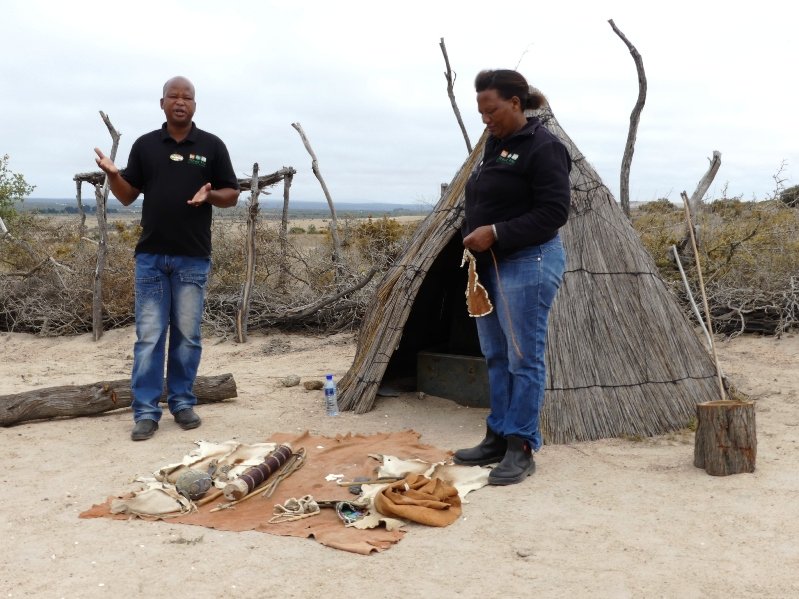
The female guide explained in her native language (not many people speak it anymore) many of the items the Sans used. The male guide would then translate for us. Here are some of the items we learned about.

Flip flop made from the neck flap skin of an Elan (large antelope)

This is a tiny spear that would be coated with poison. The long end actually detaches so it doesn’t get caught in the bush and ripped out as the animal runs away

Making a fire

An ostrich egg water bottle!

I’m nomadic, but not sure I have the constitution to be a hunter and gatherer…
We then jumped back in the tractor thingy and took a ride around the farm to see the animals. And I got to see TWO new ones!! Zebras and Springbok!! Also saw some ostriches, and my tortoise eye saw another tortoise as well.
After the tour was over, we tried some AMAZING Rooibos tea flavored with lemon, mint, and honey. I could have drank a gallon! We then wandered out into the herbal garden for a look at the plants, had our picnic lunch, and hit the open road to go to the West Coast Fossil Park! It was just a short drive further north from !Khwa Ttu, and looked really interesting. Google maps showed that it was north of Vredenberg, but we saw a sign that pointed down another road. Followed the sign and that is exactly where it was. DON’T TRUST GOOGLE MAPS ON THIS ONE!! However, the gate was closed. We pulled up and the guard said the park had closed at 1pm. It was 1:20. Ugh. My fault for assuming such a thing would naturally be open all day on a Saturday. Note to self: ALWAYS check the hours- don’t assume!
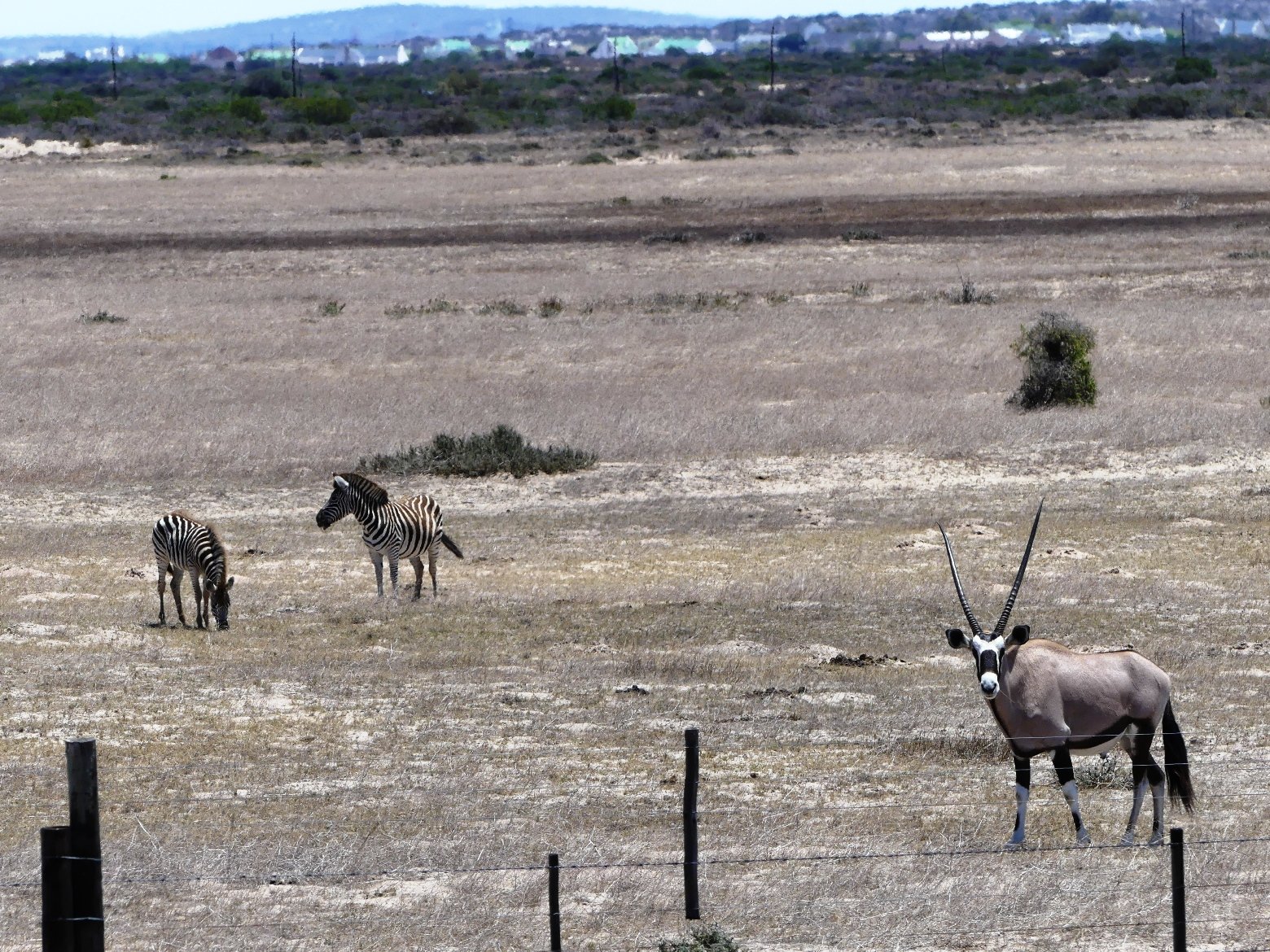
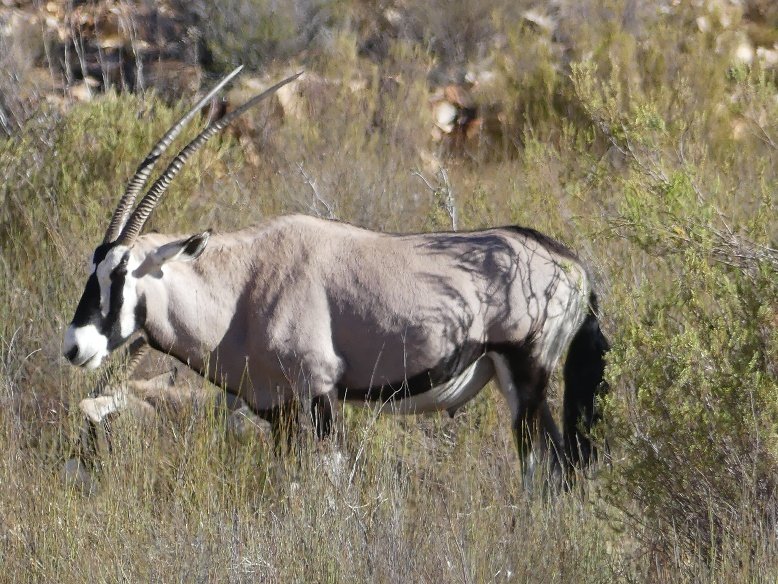
We chose to go back along a different route, through the West Coast National Park. And on the road behind a fence, we saw zebras and a brand new antelope!! Research says it’s a gemsbok, and the horns were CRAZY long! There’s something not nearly as exciting when you see something behind a fence, but it was still really cool.
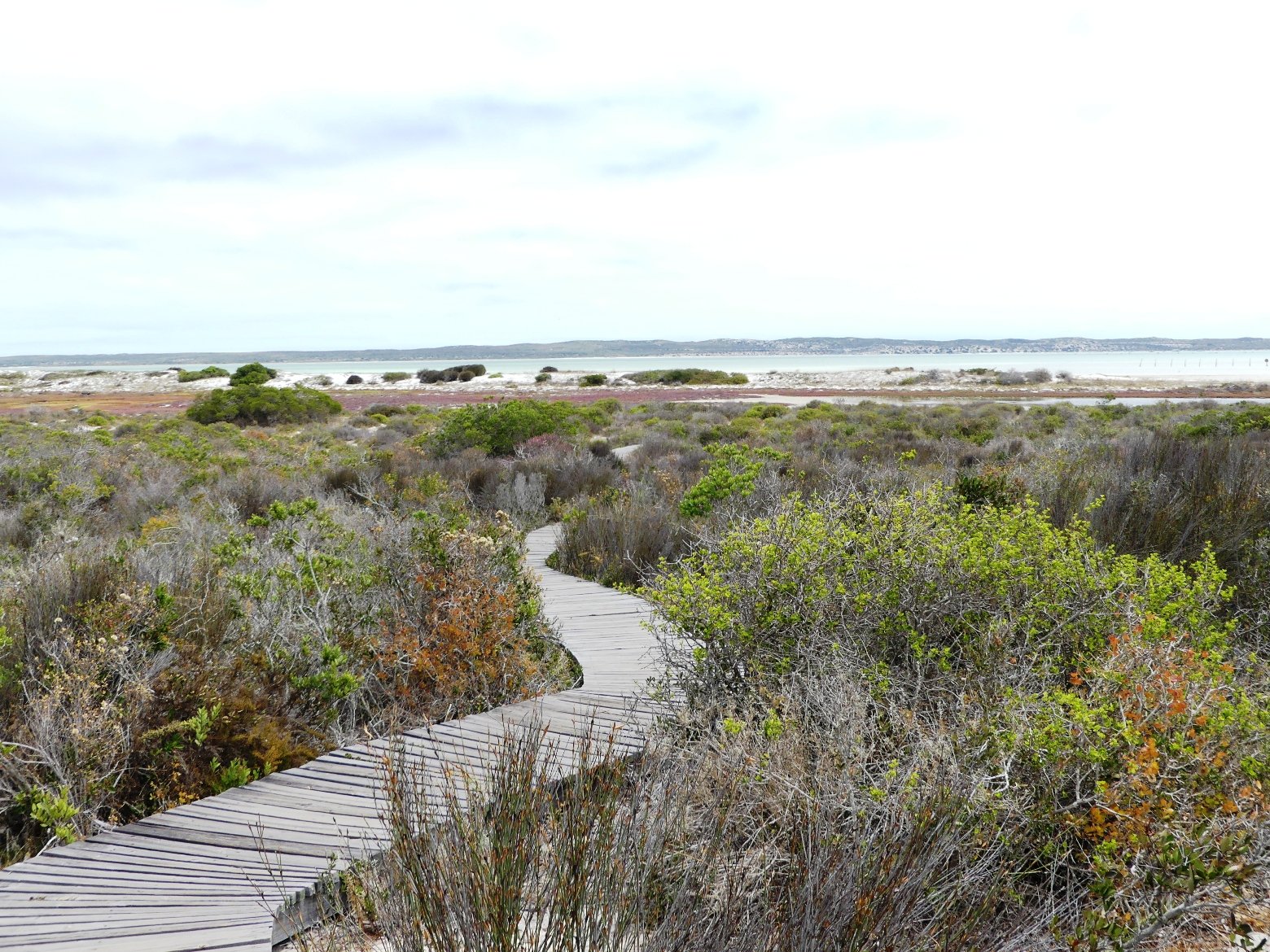
We drove into the town of Langebaan. Super pretty little town overlooking a SPECTACULAR bay!! The blue of the water was unreal! Our original goal was to make it back to Hout Bay by 3pm to go to the market and visit Xoma Aob (my Khoi Khoi friend) to arrange a tour. It was going to be a tight schedule. We passed by a church that had a “craft fair” sign outside. Looked at each other and said what the heck and stopped. Everyone here was speaking what I’m pretty sure was Dutch. It ended up being kind of a froo-froo craft market- the kind little old church ladies would attend and sell things at. But we did manage to find a couple of trinkets and some Kudu and Springbok biltong, which is basically South African jerky. Headed back down the road and entered the West Coast National Park. 80 rand per person ($6.50US), which wasn’t too bad of a price. When I saw it on the map, I didn’t really realize what it was exactly. I just thought it was a road along the coast. We pulled into a little area that had a “bird hide” you could hike to. The hike was basically down a boardwalk that was across the marshlands. It was a really cool little building with a slit all the way around so you could sit on the benches inside and birdwatch. It was actually pretty fun!! And I saw flamingos IN THE WILD!!!!! That was a crazy cool experience!! On the way back up the boardwalk, something in the bushes caught my eye. It was a mouse like thing!! I had to be very still and very stalkerish because he was really skittish. He was behind a mass of branches and I couldn’t get focused on him. Then, all of a sudden, he popped out, posed, and looked straight at me. ADORBS!!!!!!!!! Oh, soooo cute!! My favorite shot of the day.

This shot does not do the color of this water justice- not by a long shot. It was like turquoise Caribbean water.

Flamingos…IN THE WILD!!! They were really far away and I was zoomed all the way in. Got lucky with this shot!

Four Striped Grass Mouse (Rhabdomys pumilio). I am seriously in love with him.
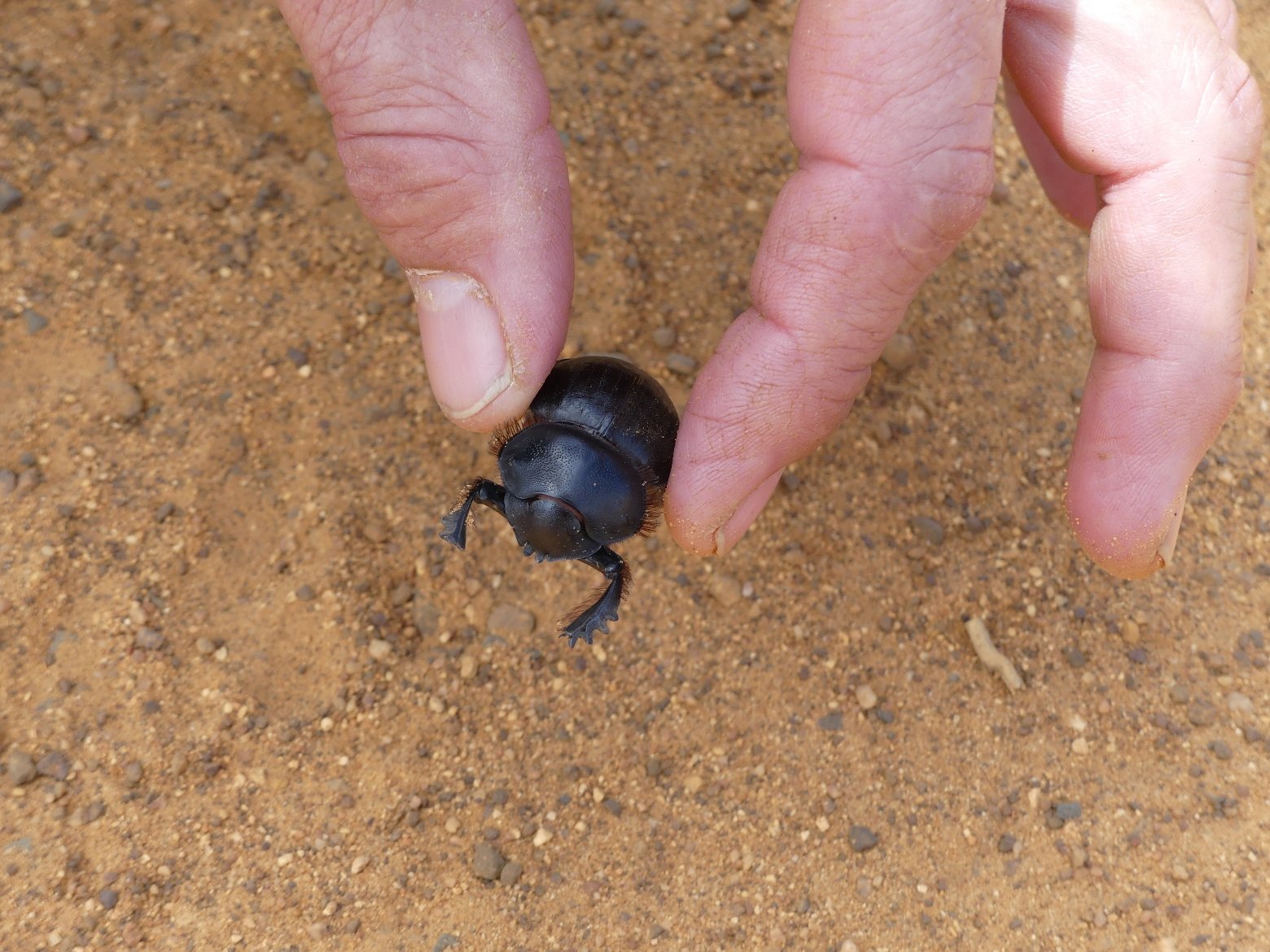
We get back in the car and decide to head down some random dirt road. I screamed “STOP!!!!! BACK UP!!!!!!” Brian shouted “Tortoise?!” I said, “NO! BETTER!” (cuz I’ve already seen a tortoise). He says “Snake?!”. I say no. I jump out of the car with Brian behind me, and there he was. A huge dung beetle IN THE WILD!! It was FAST, and it was impossible for me to get focused on it. I told Brian to pick it up. He asked, “Does it bite?”. This is a man who has no qualms about hanging out with cheetahs who have massive teeth and claws… Here’s a good place for me to clarify my earlier remark: I was pretty sure it was a dung beetle. And dung beetles don’t bite. So I told him of course not, and added my typical smart mouth comment of “Let your girlfriend pick up the dung beetle so you can hold your purse.” He picked it up. 🙂 It was wiggly and fast as hell. When he went to put it down, he kind of dropped it and it fell on its back. It froze. I flipped him back over and gave him a little nudge. Nothing. Holy fuck, we killed the dung beetle!!! This thing had been frantically running and thwarting us at every turn. Now he was still. I was about to puke from the guilt. We moved to walk back to the car, and the beetle took off running. WHEW! That was the longest 30 seconds of my life! Dung beetles playing possum. Who knew?? Got back to the car and I was joking around with Brian about him asking me if it would bite. He said he didn’t know anything about dung beetles!! So I admitted that neither did I, I wasn’t even sure it WAS a dung beetle, and for all I really knew it could be some wackadoodle venomous African spitting beetle. Fortunately, my instincts were correct and research confirmed dung beetle. 🙂
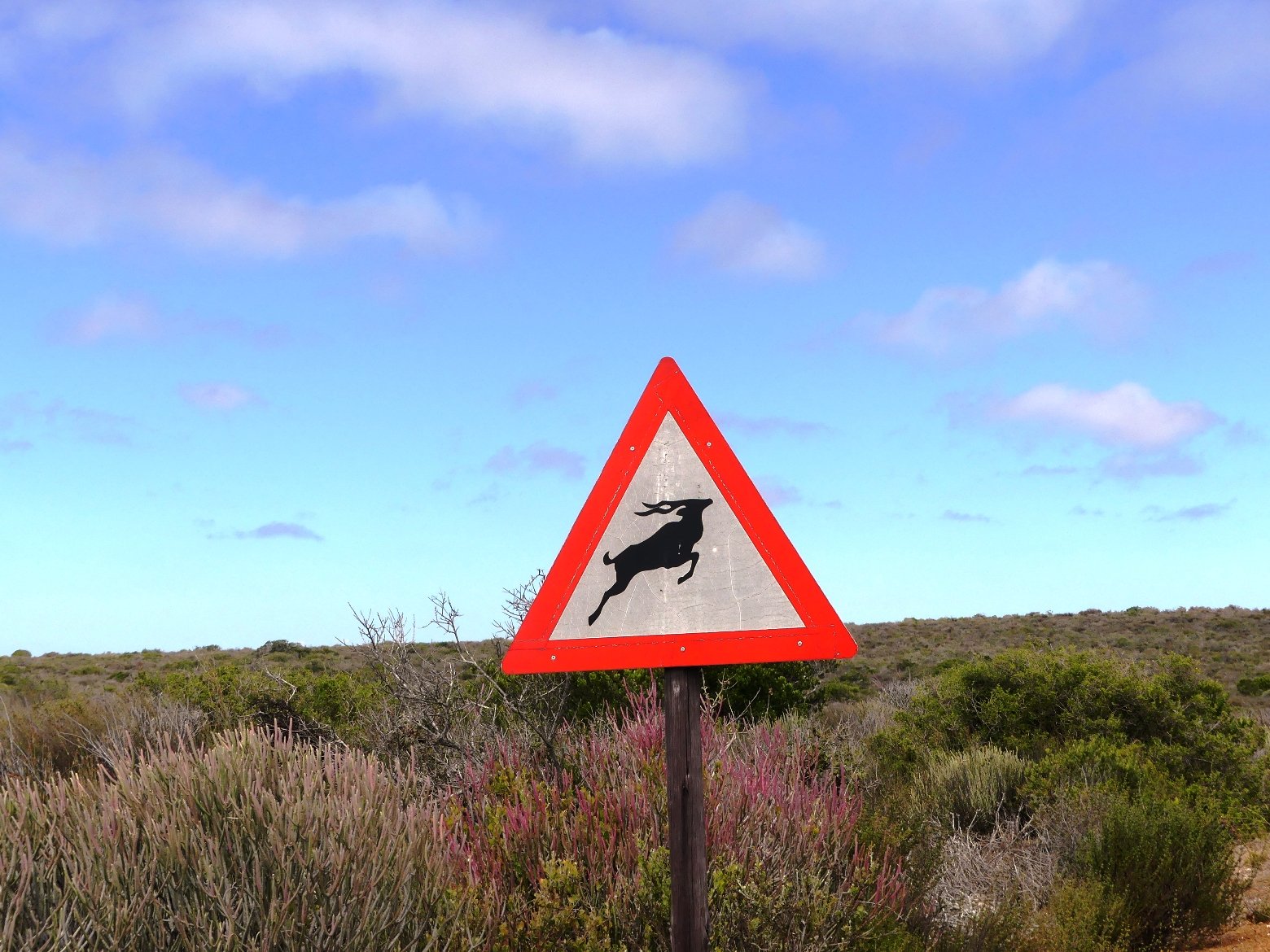
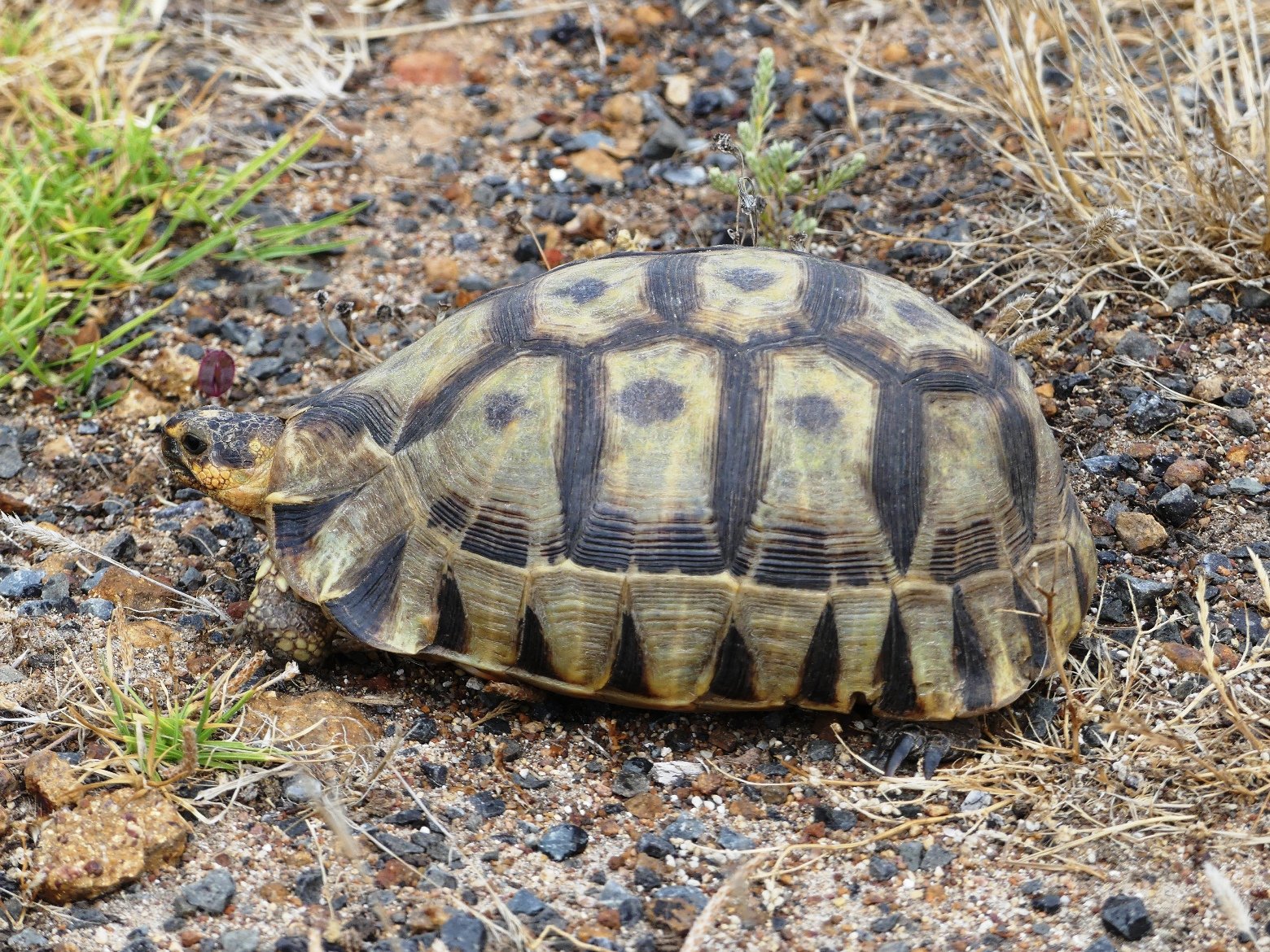
We drove along the practically empty roads. I love seeing exotic wildlife signs! We stopped at a place called Atlantic Overlook that wasn’t anywhere near as pretty as Langebaan Lagoon. Brian laid down on a picnic table to rest his back from driving and take a quick cat nap. I had to pee, which was a huge issue because there was no bathroom anywhere. The idea of squatting on a cobra almost made me just pee in the middle of the road, and I contemplated the situation for several minutes, but modesty won out. Yes, I’m blogging about pissing in the weeds in the middle of the western coast of South Africa. Life experiences, baby!! I’m happy to report no snake bites on my tushy. Guys have it so easy. Sigh. We weren’t back on the road for 3 minutes when I screamed “STOP!!!!” again. Fortunately no one was behind us and Brian could back up. My tortoise eye spotted another tortoise on the side of the road. What a little beauty! And at least he sat still and posed instead of trying to run away like the tortoise at Cape Point.
I won’t lie- I was disappointed when the fossil park was closed. But the unexpected beauty and fun of Langebaan Bay and West Coast National Park made it all better!! Being able to switch gears and overcome those little bumps and disappointments in order to keep the adventure going is what traveling is all about.

by Mary Middlebrook | Jan 14, 2018 | South Africa
Today was going to be kind of a “down” day. Meaning not driving so much! The plan was to head up the cable car to Table Mountain, then come down to the Hout Bay market and go see Xoma Aob to arrange a tour. Nice, easy day in Cape Town. I woke up at 5:30am and worked while Brian slept, and slept, and slept….I thought he was dead! He’s usually up at the crack of dawn, and heaven forbid I move an inch or he’s completely awake. I let him sleep. Poor guy. The shutters were closed, but I listened- NO WIND!! That’s important because the cable car wouldn’t be running if it was windy. Actually, since Brian got here there’s been practically no wind. Nothing like the insanity I experienced the first couple of weeks. Finally he woke up at 7:30 (half the day is gone!!). I opened the shutters and saw this:

Completely socked in with fog and rain!!
Hmmmmmm. The supposedly spectacular views from Table Mountain wouldn’t be quite so spectacular today… No worries, we’ll just go downtown to the Pan African market, eat at Mama Africa’s (a restaurant the housesitters I met up with suggested), maybe hit the slave museum, then off to Hout Bay. Still a full day. I jumped online to see when everything opened (no more fossil park scenarios for me!). Pan African market: CLOSED ON SUNDAY. Mama Africa’s: CLOSED ON SUNDAY. Slave Museum: CLOSED ON SUNDAY. Remember yesterday when I said little bumps and disappointments are a part of the journey? Yeah, well, SCREW THAT!!!!! I started going in to full blown freak out mode. What in the hell were we going to do? Cape Town had a huge “CLOSED” sign stamped on it. We couldn’t change plans and go to the other 2 adventures outside of Cape Town we had planned, because they had already been booked and paid for for other days. The thought of wasting an entire day was freaking me out. I jumped online and started searching. The only things open were things I had already done or had no interest in doing. Brian cooked his breakfast and then came over and calmly got on his computer. Everything was either too far away or closed. I found something called a township tour by Siviwe Tours– and they had 5 stars. The townships are those “shanty town” looking areas that I saw the day I flew in. It sounded really interesting! I went online to book. No availability. UGGGGGGGGGGGHHHHHH! Maybe I could plead my case, or maybe someone had cancelled due to the rain and we could take their spot. I called. No answer. I called back a little bit later. No answer. It’s after 9am at this point, and freak out mode is bleeding into panic mode. By 9am we are usually out the door and well on our way to (or have already started) the day’s adventure! I emailed. I kept searching and searching. Brian was searching. Nothing. And then, a ding- new email! It was Siviwe Tours!!! They had space available at noon or 2!! I said we’d take the noon tour!! WOO-HOO! Then….cash only. We didn’t have enough cash (I haven’t changed money once since I’ve been here because everywhere takes a credit card). We started searching for every money changer in town. And guess what? DEEE-NIED. Every where was closed. I emailed back sheepishly about the situation, and they agreed to let us pay in US dollars. (Can you imagine going somewhere in the US and asking to pay in South African rand?? See previous DEE-NIED notation…)
The tour started at noon, and we got there at about 11. We drove into the neighborhood and eeeeeep…it was….interesting. And by interesting I mean really run down and scary (as defined by our prejudices and preconceptions) to the point that we decided we would go find a mall and get an umbrella rather than sit in the parking lot in broad daylight on a Sunday morning. There was a mall about a mile away, and we were the only white people in it. And we were FINE. And the car was FINE. And we got an umbrella at Woolworth’s and were FINE. I hate that we’re taught how people who are “different” (are they, really?) are something to be feared…
Went back to the meeting place and a young black man walked up to our car. I rolled down the window- part way. He said “Hi, you must be…” and hesitated. Brian offered up “Mary and Brian.” The young man said, “Ah, yes, Mary. Wait right here, we’re waiting on two more people.” I rolled up the window and told Brian you NEVER give them your name- make them say your name so you know it’s really the tour guide. Ok, that is probably wise information, but honestly, would I have done that if there was a meeting point outside of the cheetah sanctuary or the San center? I have to admit I wouldn’t. Sigh. Honestly though, this neighborhood was the epitome of being somewhere where my gut said “GET OUT!”. The neighborhood (Township) is Langa.
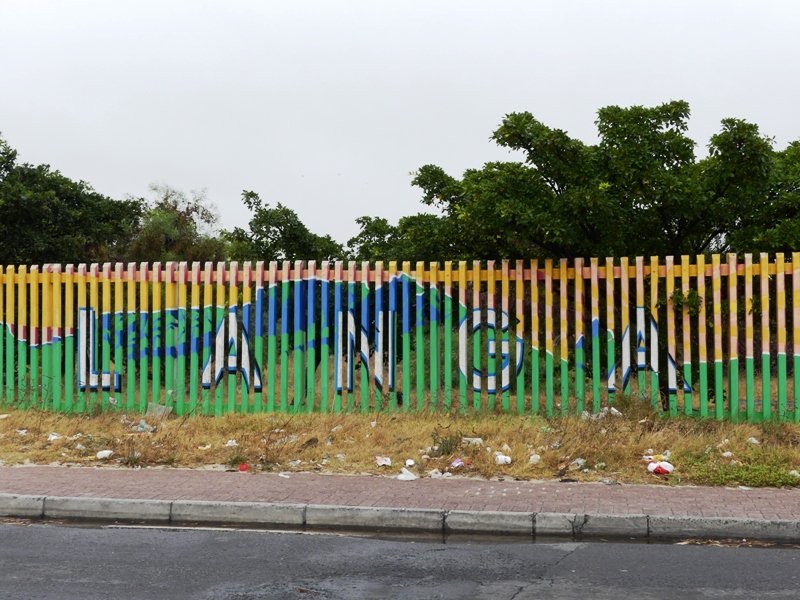
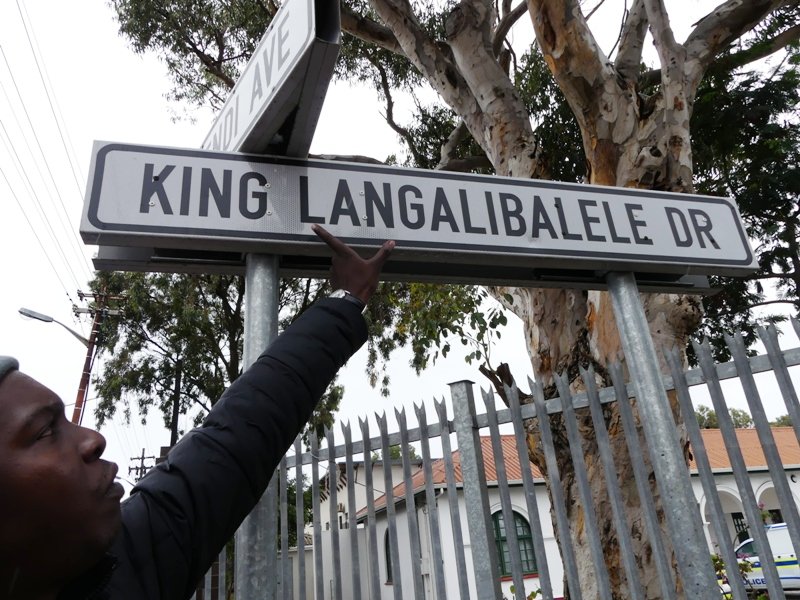
Another car of slow moving, deer-in-the-headlights, hesitant-to-turn-in white people arrived. Our guide, Loyiso, greeted them and then got in our car to drive to where we would park- just outside of the community center. The couple was from Toronto, and nice enough. I had seriously considered booking a private tour for 4 times the cost because that’s how much I hate tour groups. But as I suspected, the rain kept pretty much everyone away. Four was a good number. Before we start the tour, let me give you a little history of this place so you understand what it is and what it represents. The township is named after King Langalibalele- an activist for black rights who was one of the first people to be imprisoned on Robben Island (where Nelson Mandela was held). Langa means “sun” in the native Xhosa language- which is still widely spoken in Langa. Xhosa are indigenous people of the East Cape, and their language also has the clicks that I learned about from the San center. In the 1920’s, the whites wanted the blacks out of their areas. Far away so they didn’t have to live near them, but close enough that they could use them for workers. A law was put into place to create special areas for the blacks. Langa was the first planned township created for the purpose of containing blacks to specific areas where they were forced to live. When you have all of what you consider to be “problem people” in one location, it’s easier to control them. In fact, control was so strict that family and friends couldn’t even come and visit the people who were in Langa. At one point, there were areas where only men could live- they had to leave their wives and children behind. Certain traditions, such as the brewing of the cultural beer that was so important in many rituals, was banned. Over the years, tensions both within the community (different tribes) and with the government (especially over housing and living conditions) have ebbed and flowed. It is now a fairly strong and cohesive community of people who are proud, but are still waiting to receive basic human rights from the government.
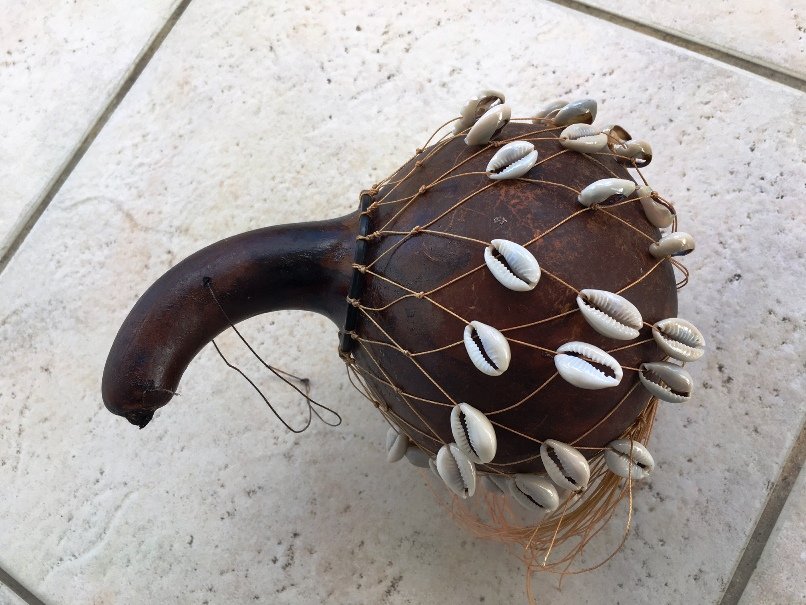
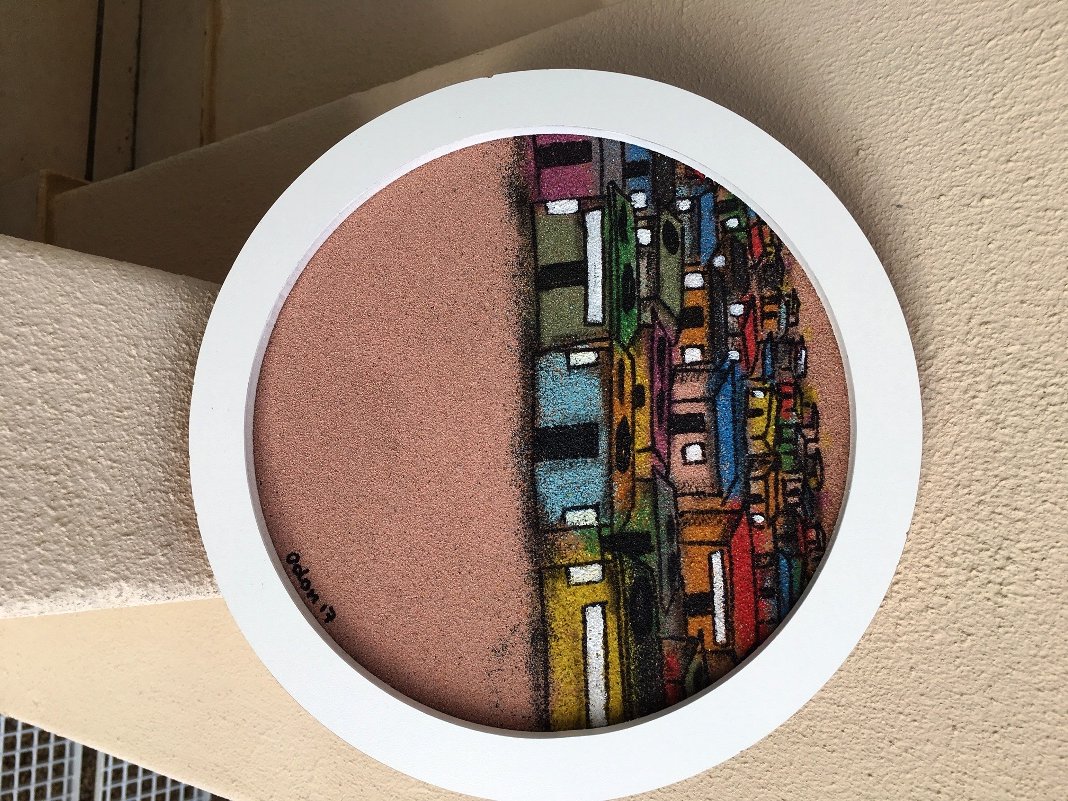
We started our tour at the Guga S’thebe community center, which is the hub of culture within the community. It offers several educational programs, classes such as dance and art, and provides a place for artists to work and sell their crafts. I was immediately fascinated with an artist named Odom and his sand art work. It was GORGEOUS!! Odom dropped out of school very early, but has been working at his craft for the last 18 years. It is a form of art that I know my students are just going to LOVE!! Brian and I like to support individuals as much as we can- I really don’t like buying mass produced trinkets. We bought a sand art piece that depicted the Langa township from Odom (definitely the most expensive souvenir I’ve ever purchased, but I felt good about it), and a gourd rattle that was made by some ladies in another booth. Odom also let me video his entire technique so I can teach it to my students! We also saw an area where they do pottery.

Woman hand painting pottery to sell. If we thought we could have gotten them back in one piece, we would have bought a whole set of cups.
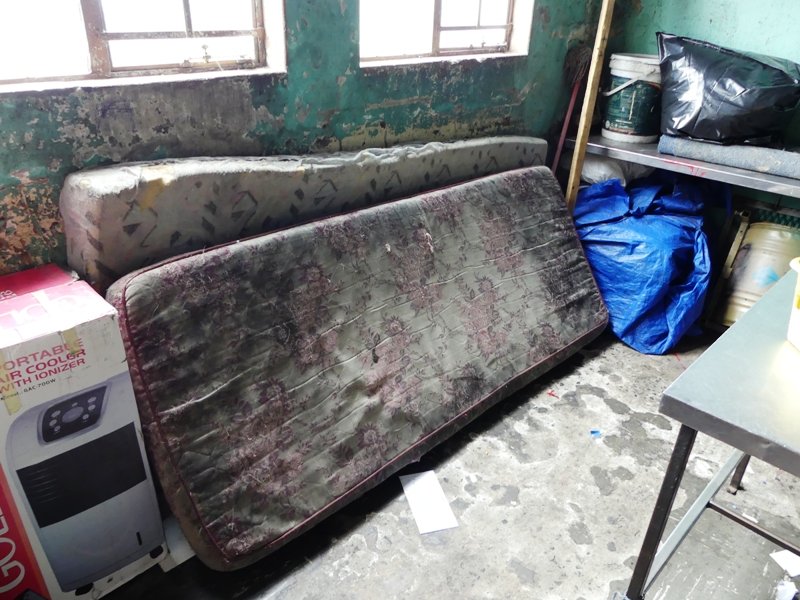
Now it was time to go to the houses. And when I say houses, this is an extremely loose term in many circumstances. I will say, I didn’t always feel comfortable taking pictures in certain areas, so I didn’t. I know that tourism is important to Langa and that the community supports, embraces, and welcomes it, but I didn’t want to feel like I was participating in some kind of “human zoo”. These people are proud and I wanted to be as respectful as I could under the circumstances. There are different levels of housing in Langa, from abysmal to quite nice. Houses that have numbers on their doors are on the government list to receive better housing when it is built. Don’t hold your breath for that to happen, though. People have been waiting 10+ years. First, we went into a dorm that used to be a “mens only” dorm, meaning they had to be separated from their wives and children. There were a few children playing soccer in the entrance hall. Loyiso explained how many families lived in this dorm- at least 8. They shared one bathroom that was outside, which consisted of a single toilet. There is no shower, bathing is done in plastic tubs. The stove and sink are communal as well, and there are no refrigerators. The individual “apartments” consist of a single room. Families who have too many members, children sleep on the floor. If there are too many to fit in the room, they sleep in the entrance hall on filthy mattresses. There is a strict curfew of between 9-10 o’clock. If you are not inside by then, you are locked out. This way, you don’t disturb the people who have to sleep on the entry way floor. I thought this was horrible living conditions. I was soon proved wrong.
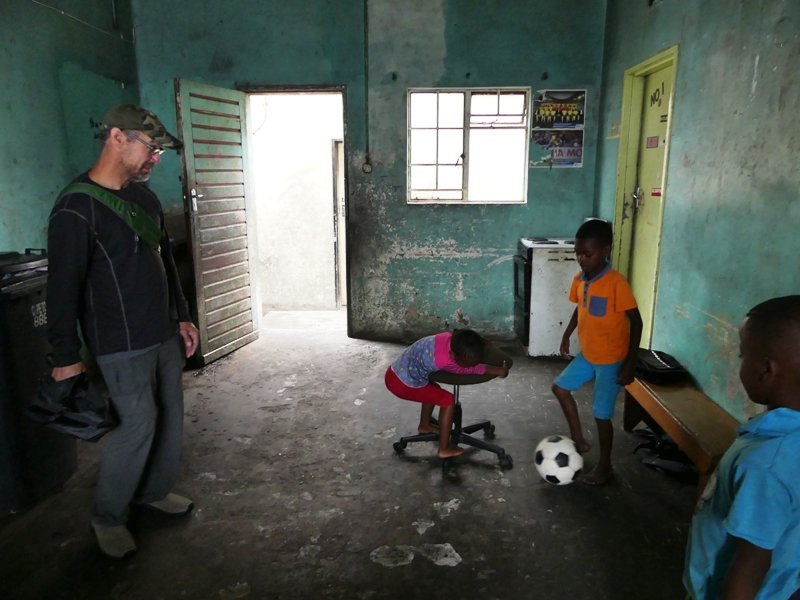
In the courtyard area of this dorm were some shipping containers. We learned that these weren’t for storage. They were homes. And each container wasn’t one home, it was TWO homes. The containers were split in half, each side with a family. Electricity was run haphazardly from structures that had electricity (this was the case in many of the areas). These containers had been brought in as temporary housing- years and years ago. We were invited to go inside of one of the “homes”. Honestly, I felt really bad. There were 2 children who had been sitting on the floor, girls about 8 and 10, who had to go outside so we could come in. The room was maybe 10 x 10, no bigger than a normal sized bedroom and this was the entire house. No running water. No kitchen. They shared the outdoor toilet and kitchen with the dorm. There was one bed, with an African woman and a newborn baby laying on it. Loyiso explained how they receive money from the government for each child, and some work and need that money to feed their children because wages aren’t high enough. Some people have children so they don’t have to work. God. How can I judge? I can’t. How do any of us know what we would do in that situation? It’s easy for us to sit in our fine homes with a refrigerator full of food, good jobs, spending cash, hell- our own TOILET AND SHOWER, and judge how these people should live and behave. Fuck us all for that. I couldn’t bear to take a picture- just too human zoo for me. I felt bad enough being in her home with my camera around my neck, knowing it was worth more than she probably sees in a year. I have never been face to face with such abject poverty.

The shipping container homes. I can’t even imagine how hot they get with no ventilation and all that metal.
We wandered down more streets and came to a large building called the Old Beer Hall. Originally, there was a ban on the people being able to brew their traditional beer. Then, in the 1940’s, the government allowed it, but only in the beer hall. Now, it’s converted into- you guessed it- temporary housing. Multiple families live in each of the rooms. They all share an outdoor toilet. No showers, just plastic basins in their rooms. Trash isn’t always collected when it should be, which causes a massive problem with rats.

Old Beer Hall

The bathroom for the beer hall, and many of the shanty structures behind it

Inside the beer hall
We now went down a makeshift tiny alley in between ramshackle, make shift “accommodations”. I was thinking how there was no way in hell I would ever been in this place if it wasn’t for a tour guide. Because instinctively, you recognize that it is not a place you belong. Is it from fear? Is it from privilege? Is it from not wanting to know this exists? Is it all of these? I don’t know. How do you sort out instinct? There was a church, painted blue and white, and falling apart. We continued down dirty, narrow alleys, almost suffocated by the poverty and injustice on all sides. I can’t stand it. It’s not right. We went into another dwelling- one of these “shanty shack” homes- pieced together from whatever materials could be found. Inside were about 8 children under the age of 4. This was the “orphanage”. A woman was taking in children whose parents could no longer care for them for a multitude of reasons. There were 4 rooms. A “living room” kind of area, a storage type area, a bedroom filled with bunk after bunk that the children slept 2 per bed in, and a kitchen area. Again, no bathroom. I’m not even sure where their toilet was (I think they may have had to share with the Beer Hall toilet that was about ½ a block away). One plastic basin to wash the kids in. How can these children ever even have a chance? How? It’s not possible. They’re born with 3 strikes against them- no parental guidance, no chance of a good education, and growing up in a culture that tends to perpetuate itself.
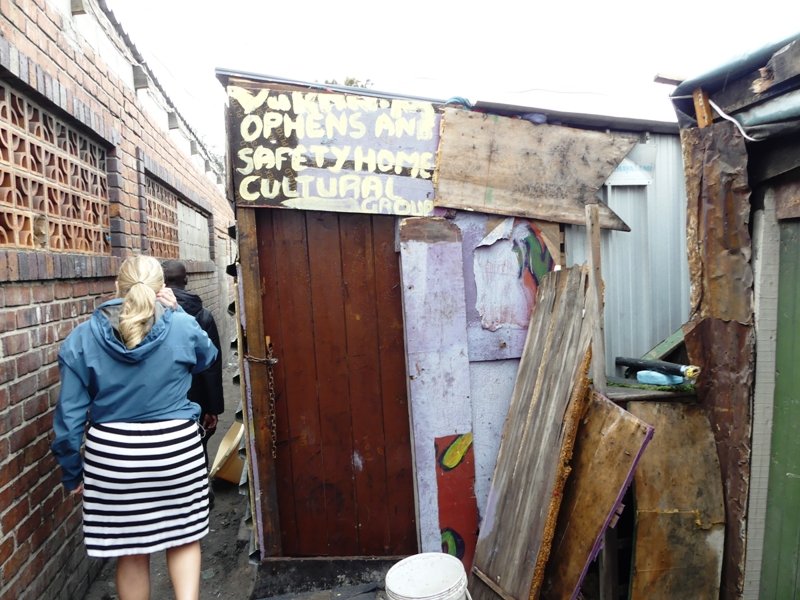

Living room of the orphanage

Orphanage kitchen. The black tub on the floor is the bathtub
We made our way to another shanty. Inside of this one was an older man named Cederick. His nickname is Shooter because he’s short. 🙂 He lived in the Beer Hall, then built a house on this spot 10 years ago. There was a fire that ran through the shanties and destroyed his and many others (I can’t even imagine having practically nothing, losing that, then starting over), and he had to rebuild. He used pieces of the township that was torn down when the freeway that runs next to Langa was put in. He told us stories of his life, how Nelson Mandela gave rights to the people, and how he is still waiting for the government to provide him a real house- that that is his dream. I videoed 17 minutes of him talking, it was that interesting. He works with the local school, teaching children skills. He showed us some Snap Circuit boards he had so he could teach the children how to do electrical work. A woman in the States donated 30 sets. I got the feeling that he’s been a fighter his whole life and refuses to give up. I also got the feeling that he’ll never get a home. I guess when all you have is hope, you hold on to it no matter the circumstances. He told us how Mos Def and DJ Skrillex had both visited his home. One piece of their damn jewelry would buy him a house…
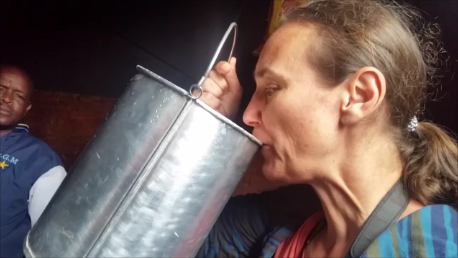
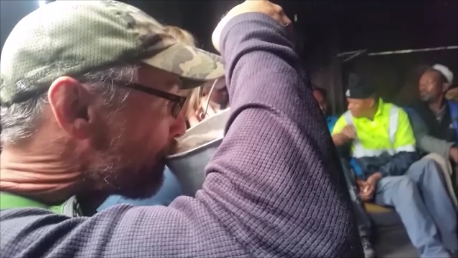
We walked a few more shanties down into a room that had about 7 men in it. This is where they would come to drink the traditional beer. It’s only brewed by women and they refuse to give any man the recipe. They brew it, and they sell it. It only has .01% alcohol, so you’d have to drink buckets of it to get a buzz. And that’s exactly how it was served to us- in a communal bucket that was passed around and everyone drank from it. It tasted a little fermenty, not much like real beer. It was very white and frothy.

The place we went in to drink beer is the one with that orange trash can in front of it
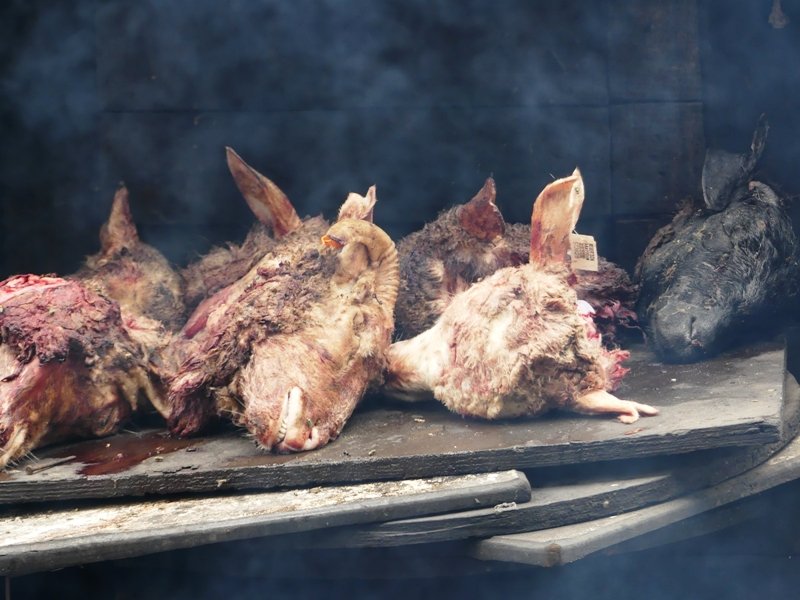
We exited this little section of severely run down shanties, and walked down kind of a main road. There were women there preparing a sheep brain soup of sorts. They were smoking sheep heads, then they would prepare them, make the soup, and sell it. Just like with the beer- the women are the primary entrepreneurs in the community. Loyiso told us more than once that the men are lazy… Lazy, or just beaten down? Who am I to judge?
Now we entered kind of a “middle class” area. Large apartment buildings, very similar to what we might see in urban housing projects in the states. He said some people pay rent here, some people stay for free. They have private bathrooms in their apartments. How did they manage to get these upgrades? No one knows for sure, really. Maybe they knew the right person. Maybe they gave money to the right person. Maybe they were next up on the government list. I would think that if you were in the shanties, dorms, or shipping containers with your family, the why and how wouldn’t matter near as much as the fact that you finally had a roof over your head. I know that I would do whatever it took if I was in that situation.
We now walked through another compound of buildings, very similar to the dorms we saw earlier. These were built in 1941 and probably hadn’t seen many if any renovations since then. There were children playing in the courtyard under lines and lines of clothes hung out to dry. These would probably be a step up from the dorms, but not by much. Everywhere you looked in this community was poverty. Children. Conditions you couldn’t even imagine animals living in. Things that are impossible to reconcile in my mind.
Now it was time to visit the “upper class” of Langa, or as Loyiso called it, “Beverly Hills”! Many people of Langa who had gotten an education- doctors, attorneys, accountants, etc… didn’t leave the community. They stayed. They built nice homes. They wanted to show everyone (especially the children) that with hard work, education, and focus, you can change your circumstances. And the thing that I immediately noticed was the lack of bars on the windows. No barbed wire circles trimming the tops of fences. No alarm company signs. No security cameras. No vicious dogs. No barriers between them and the gut wrenching poverty just meters away. Why? Weren’t these home ripe for the picking? Wasn’t this an extravagant display of wealth (even though it was completely modest by our standards) taunting people with nothing? Weren’t these homes a crime of opportunity waiting to happen? No. Because the people of Langa are community. They are strong. They support each other. If a crime does happen in the community, the community takes care of it by beating the hell out of the offender. Ofttimes, the criminal will turn themselves into the police before the community can catch them and institute Langa justice! It’s amazing if you think about it.
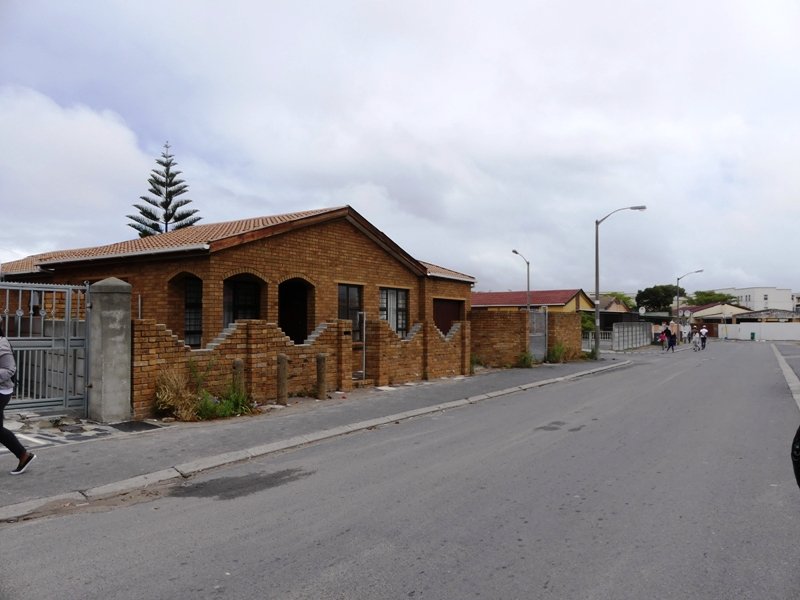
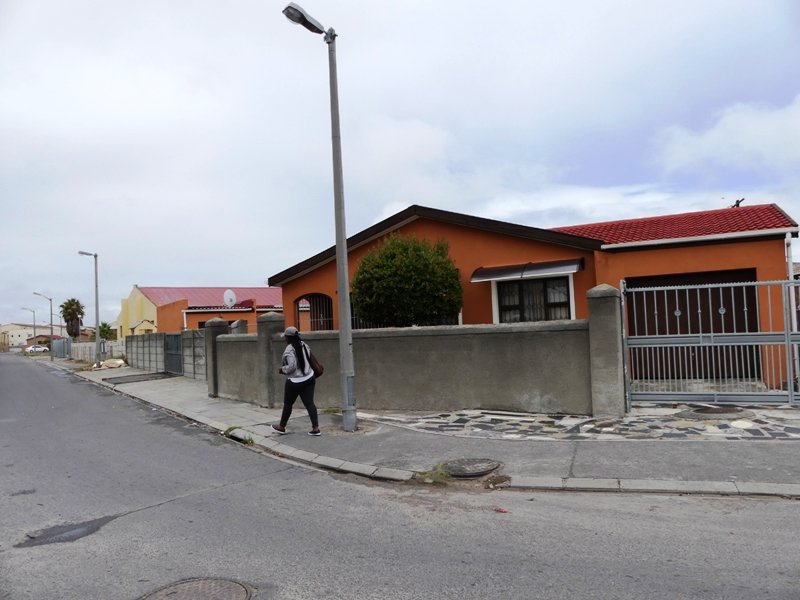
After 2 hours, our time in Langa had ended. I never once felt unsafe (except on that initial drive in!). But I did feel uncomfortable. Good. I should feel that way. There are only 3 things that separate me from these people. Three -tions (shuns?). Coloration, education, location. My white skin affords me so much opportunity. Opportunity that even with the same level of education and drive I would not have if my skin was dark. I know and recognize this. I have always valued the importance of education, even though I did struggle with poverty conditions as a child. An education was available to me, and I took full advantage of it. And living in the United States, I automatically have rights, freedoms, and opportunities that these people could never even comprehend. Being “given” a right and having the ability to “exercise” that right are two completely different things.
After Langa, we headed to Hout Bay. First, to the market, where Brian bought me a coral shaped ring that I had seen last weekend. We went and talked to Xoma Abo and scheduled a tour for Wednesday. We had lunch at Mariner’s Wharf where a man from the Congo waited on us. He’s going to Maryland in March to live with his brother. He wants to be a ship mechanic. I hope his dreams come true.

by Mary Middlebrook | Jan 16, 2018 | South Africa
We had a looooong adventure today! Our goal was to drive to Cape Alguhas- the southern most tip of Africa. What is there to do there? Take a picture with the sign and turn around after an almost 5 hour drive. 🙂 So as always, we planned extra little excursions around our main one.
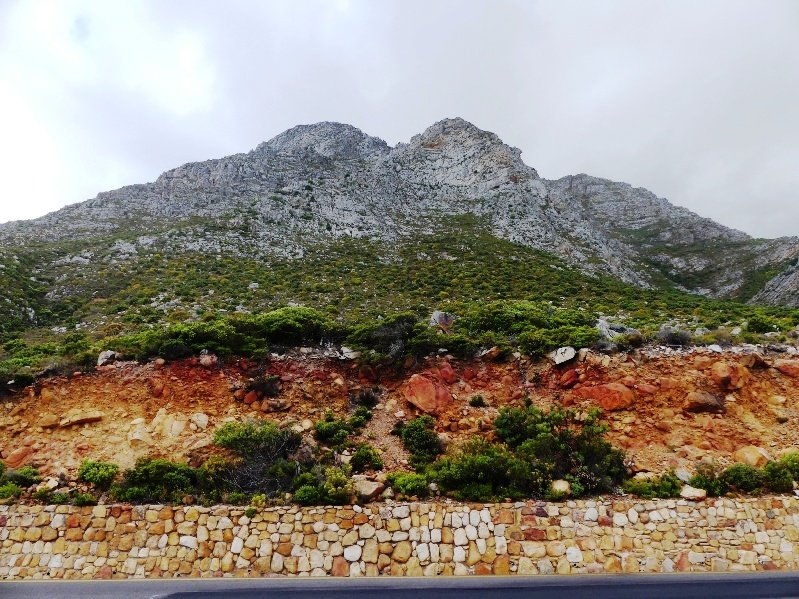
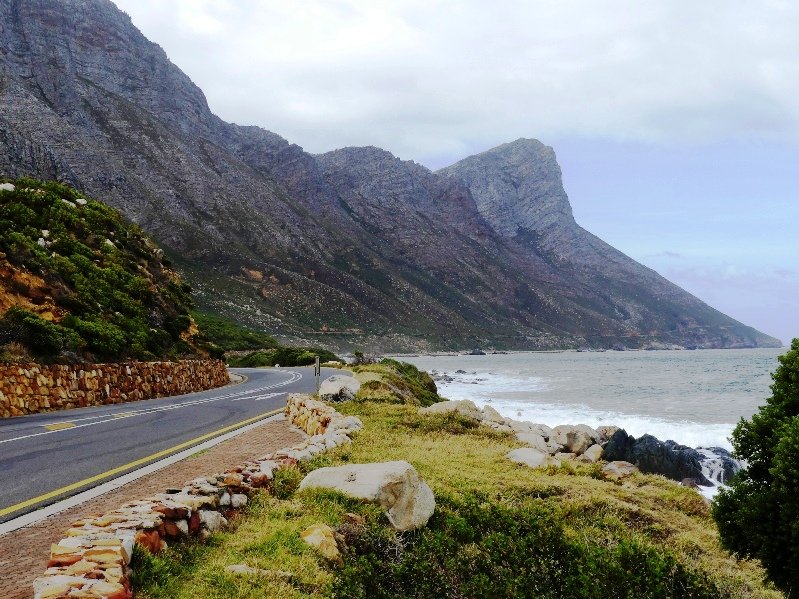
We left Simon’s Town early and drove along the beach to Somerset West. There, we continued along the beach, and the views were outstanding! In one area, it was miles and miles of nothing but fantastic shoreline on one side and massive mountains on the other. One of the most scenic drives we’ve ever been on! (Cuba wins out because it was a straight up adventure- the infrastructure is too good here! 🙂 ).
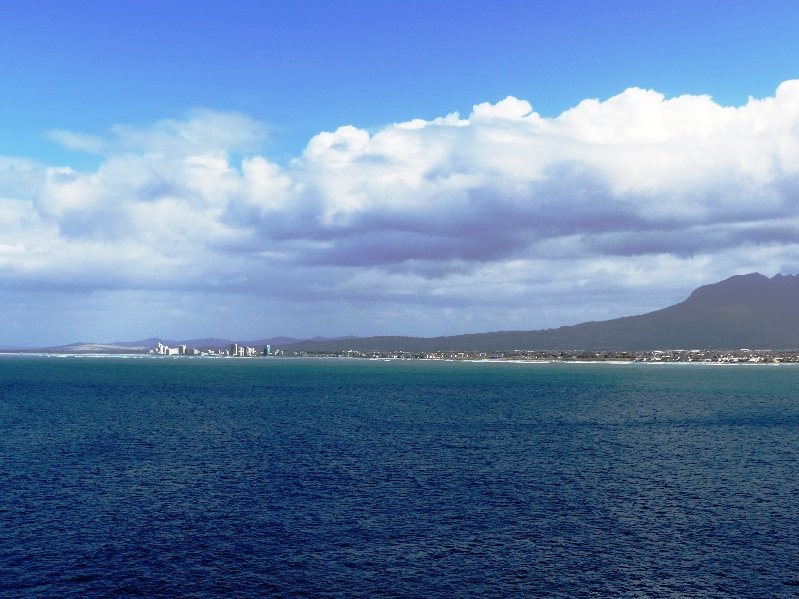
We made our way to the sleepy little town of Betty’s Bay. Seriously, there were only 3 things going on here- baboons, a penguin colony, and a bunch of rock hyraxes!! No restaurants or stores or anything. Just a lot of houses on a beautiful little bay kind of in the middle of no where…

No opposable thumbs means no hitchhiking!

This guy was determined to jump down about 1m off the top of this rock. We were worried for him, but he made it!

Cute little hyrax

Beautiful, but oh so sleepy, Betty’s Bay
At the next town, we saw a biltong shop and decided to stop in to see if they had anything more exotic than the springbok and kudu we had bought a few days ago (and have yet to try!). They only had beef, but they had some big slabs of it hanging up so we said we’d take a slab of it. They cut it into almost paper thin pieces. It didn’t have much seasoning, but it was good. Quite greasy though! It’s “greased” its way through the bag in just a couple of days!
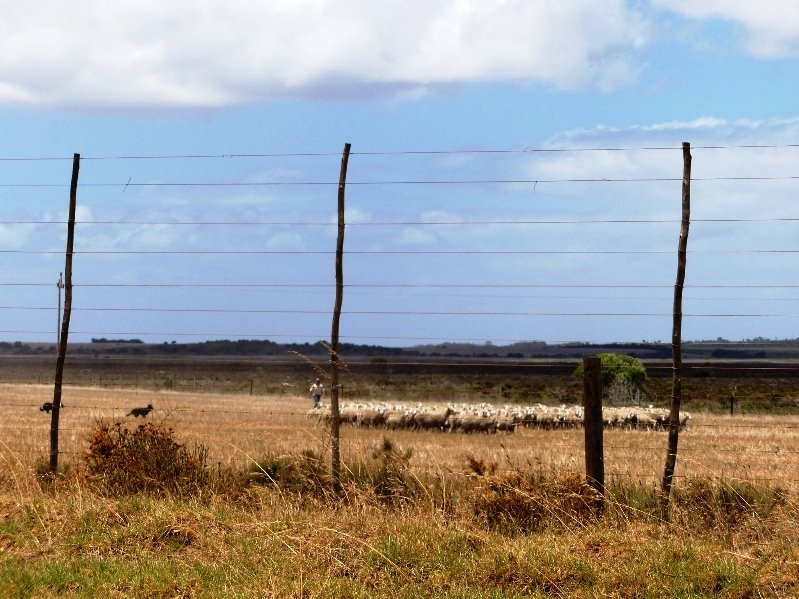
Now rarely do we take the route Google suggests. I look at the map, see where we’re trying to go, and if there’s a more interesting looking road, we take it. We’ve ended up on roads that aren’t even on google maps by doing this…and that’s what we call an adventure! I wanted to stick as close to the coastline as we could, even though google maps insisted that we go inland a bit and around. We soon figured out why google maps was so insistent, after we ended up on a 12 mile long dirt road in the middle of a bunch of farms! But, had we not done this, we would have never seen a farmer with his 3 dogs herding sheep. 🙂
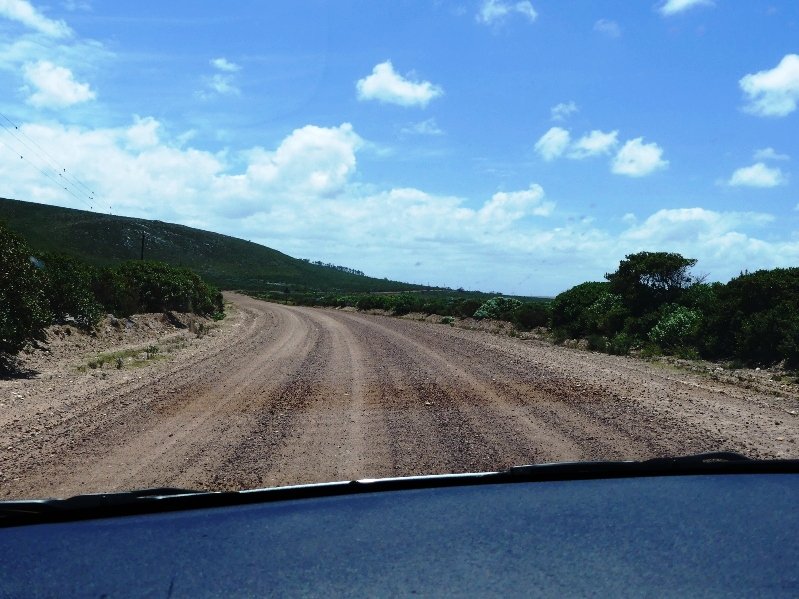
We finally hit another bit of pavement, and then….another 12 miles of dirt road!! Soon the farmlands turned into areas that had a sign indicating that this land was Alguhas National Sanctuary. Brian spotted a MASSIVE grey bird waaaaaaaaaay out in the middle of a field. We couldn’t see much with our bare eye. It literally looked like some kind of an oddly colored ostrich it was so big. When I zoomed in with the camera, I saw that it was actually some kind of heron/egret looking bird!
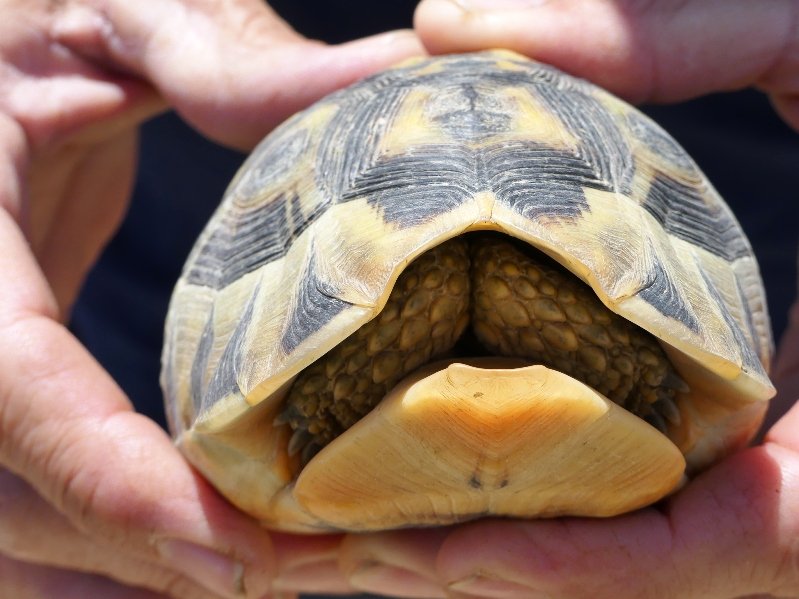
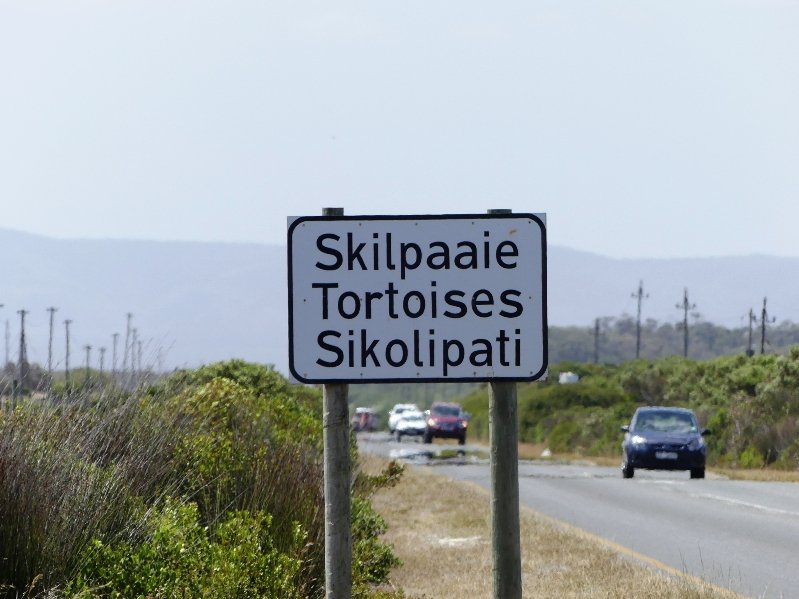
Headed back down the dirt road and we simultaneously inhaled, gasped, and sucked every ounce of oxygen out of that car. We had run over a tortoise!! Luckily, Brian saw it at the last second and straddled it. We backed up, and the poor little guy was completely closed up in his shell (who can blame him?!). We took him out of the middle of the road, put him in the weeds on the side he was heading toward, and deemed ourselves “Heroes of Africa”. We’re waiting for a knock at the door with our prize… 😉 And as always, when we see a tortoise, there’s a sign not too far off. And there it was, when we hit pavement again. Completely different from the normal signs we see, and in three languages. I’m assuming one is Dutch and one is Africaans, but I have no idea.

Research says: Blue Crane (Anthropoides paradiseus)- which just so happens to be South Africa’s national bird!!
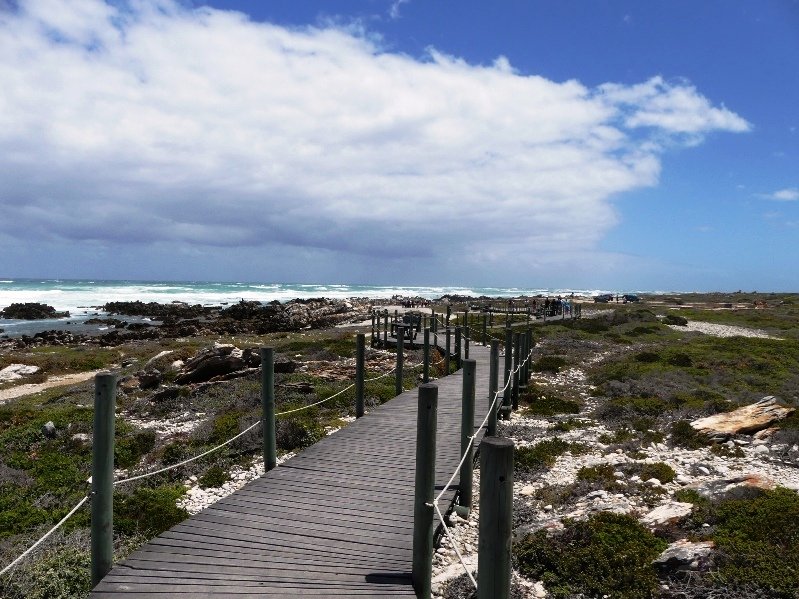
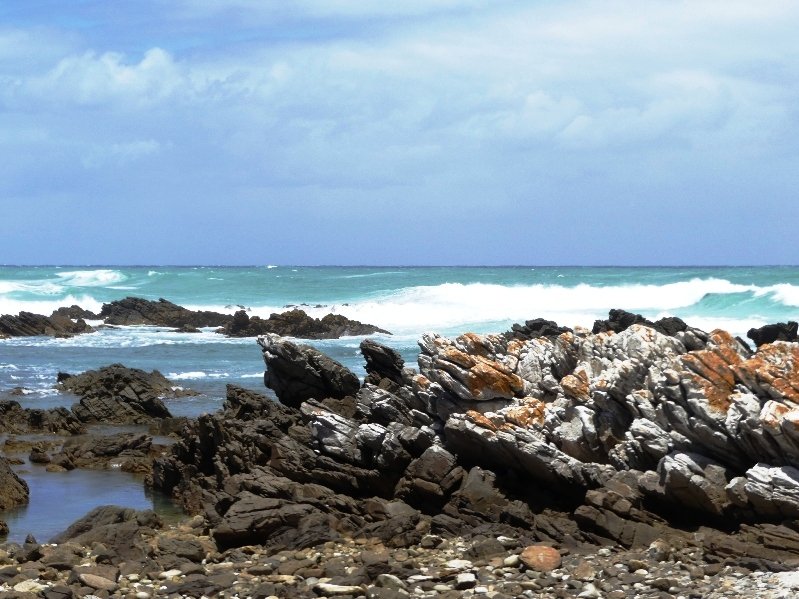
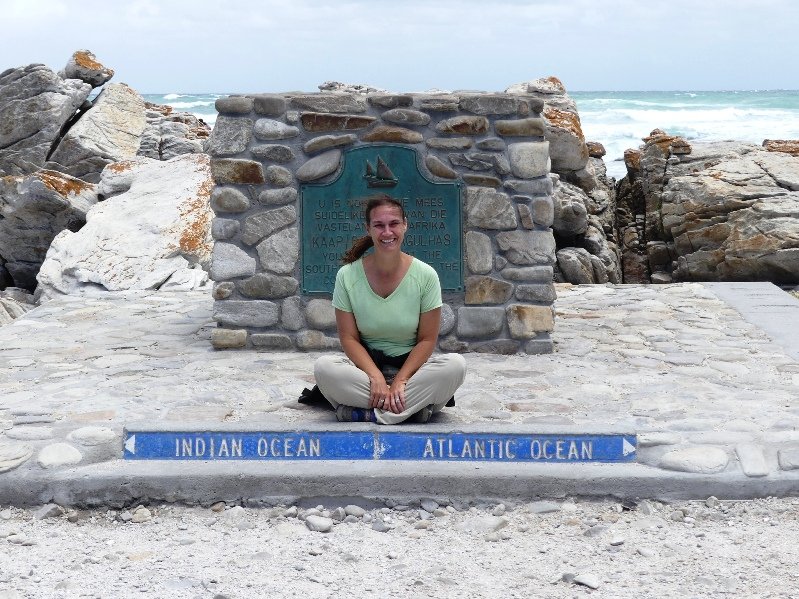
Soon we were hugging the coastline again and on our way to Cape Alguhas! Finally- the southern most tip of Africa and the place where the Indian Ocean meets the Atlantic Ocean. Got there, parked, walked up a little boardwalk, stood in a short line to get our picture taken. And….yeah. That was it. Hey, if I’m ever on Jeopardy and they ask where the southern most tip of Africa is, I can say “Cape Alguhas, South Africa!”.
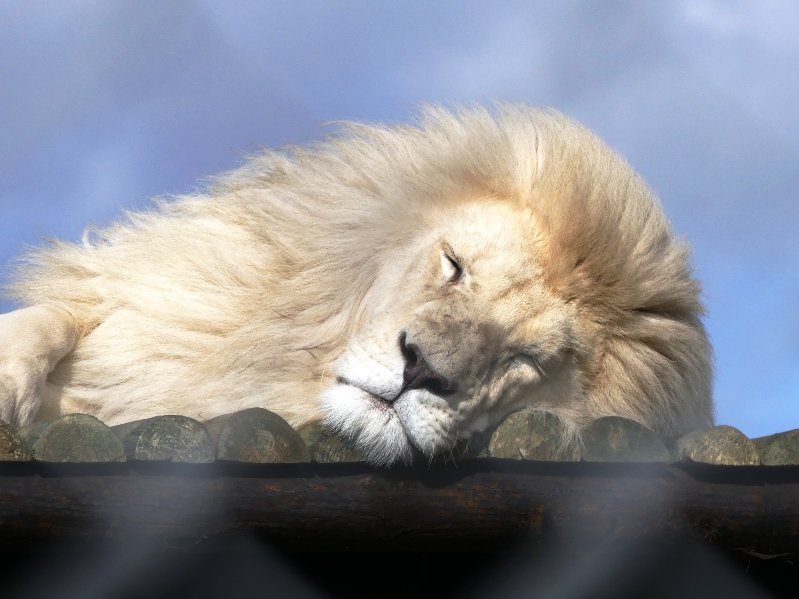
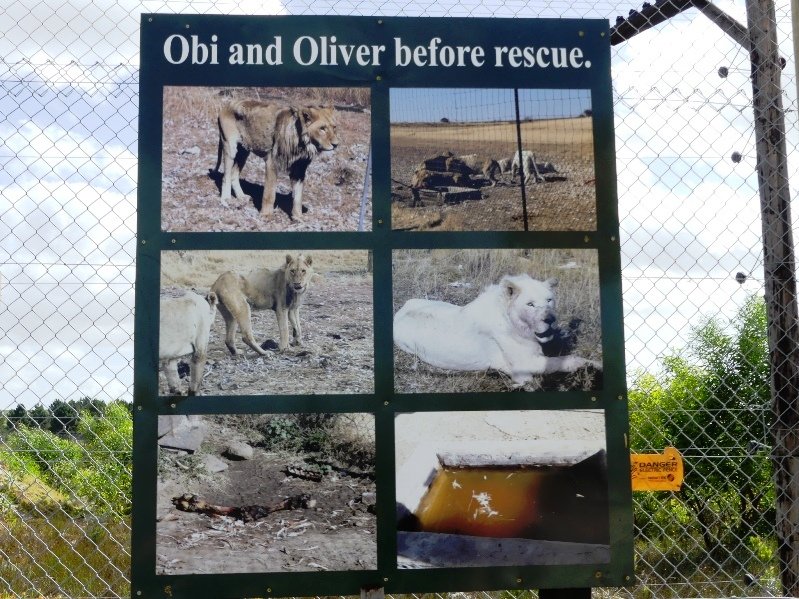
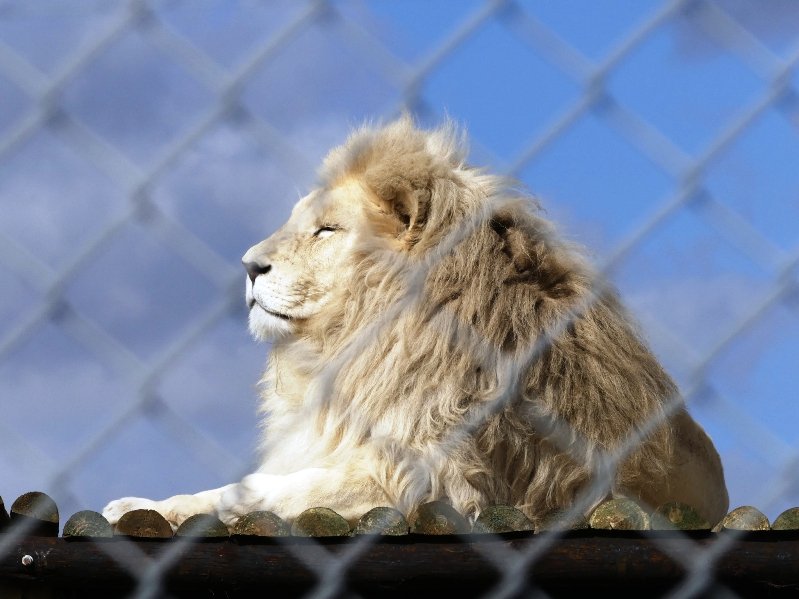
Now it was time to drive back about an hour and a half to go to Panthera Africa- a big cat sanctuary. This sanctuary is a lot different than Cheetah Experience Ashia. They do not allow any breeding, as to insure not to increase the population of these cats in captivity (Ashia is breeding for a good reason- to increase genetic diversity). They do not allow any interaction with the animals- not even the workers go into the enclosures. And after you see just how big these cats are, who the hell would want to go in there anyway?! All of these cats are rescues from mainly two sources- individuals who had them as pets and breeding farms. Breeding farms for big cats are akin to puppy mills for dogs. The females are bred over and over and over again by removing their cubs from them within 2 weeks of birth. This causes the female to go into heat very quickly, vs the 2 years it would take if she was raising cubs. It also is a tremendous strain on their bodies, as they are not adapted to be bred like that. Those that are too old to breed anymore are often sold into the canned hunting trade- where someone purchases the cat, it is put into an enclosure, and the purchaser shoots it. If no one buys the animal, it is killed and its bones are ground up into powder for the Asian “traditional medicine” (read: traditional bullshit) market. Oy, humans. We suck. The kittens generally are sent out to be hand reared by volunteers who are told that the mothers rejected them and they’ll die without human intervention. This cats are then completely adapted to humans and are used in petting “zoo” type areas, until they get too old. Then, they go to a breeder farm. Two ladies were serving as volunteers, thinking they were helping these cats. When they found out the truth, they started a rescue facility, and have rescued back some of the kittens they had helped to raise. These animals are brought here to live out their lives as naturally as possible, being taken care of as well as possible. I was quite impressed by the facility and saddened by the true horror stories some of these cats have lived through.

Black leopard, who was about 1/2 the normal size due to inbreeding.
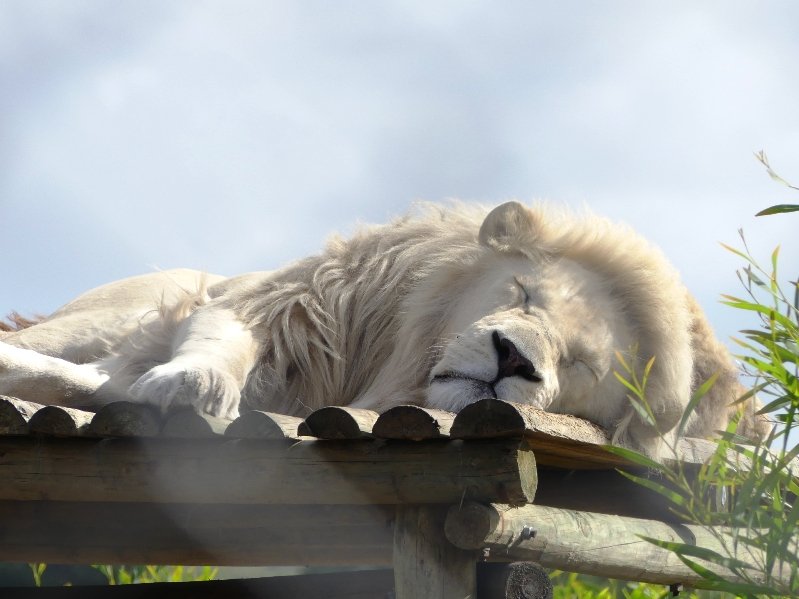
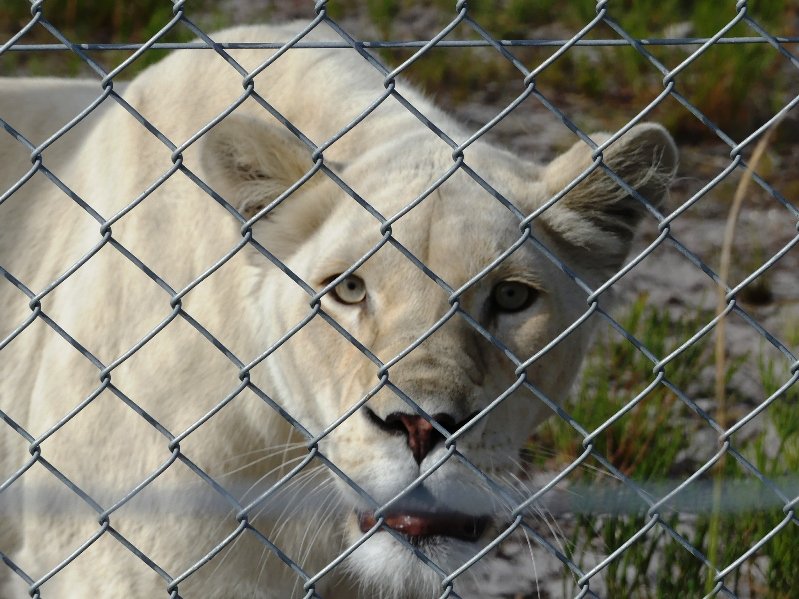
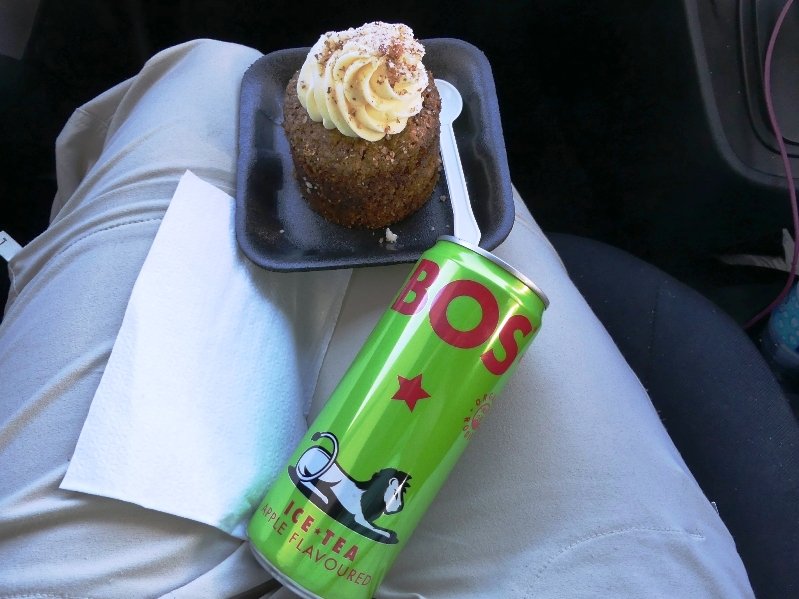
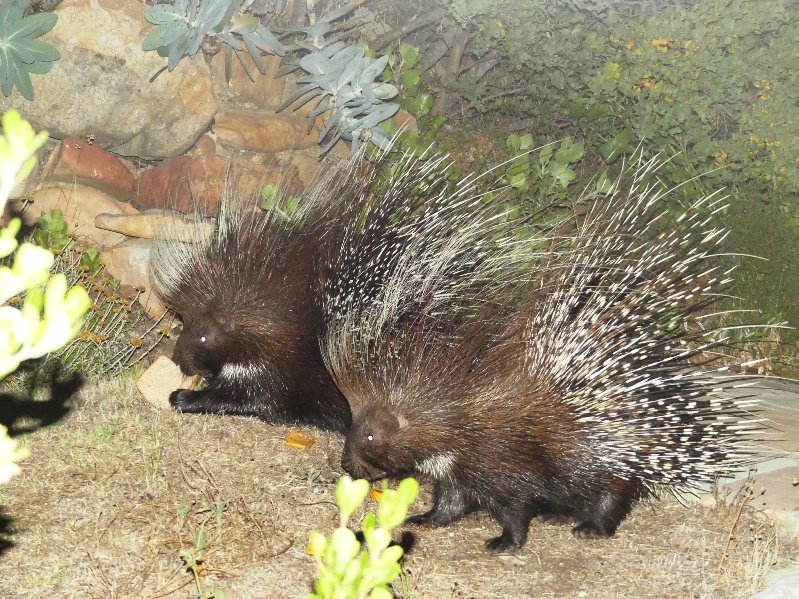
After we left Panthera, it was paved roads all the way home (for 3 hours!!). We had done 40 miles of dirt roads total, and our fillings and internal organs were feeling it! We stopped for gas and a healthy snack- hey, apple tea and carrot cupcake = one serving of fruit and one of vegetable, right? 🙂 After the long drive, we were both dead tired, but never too tired for porcupines!! We had made it back just in time for porcupine o’clock, and were thrilled to FINALLY get pictures of both Behati and Adam!! Happy, wild porcupines.

by Mary Middlebrook | Jan 18, 2018 | South Africa
What’s the first thing you think about when you think about adventures in Africa? SAFARI! Now, there are no true safari experiences near Cape Town. The next best thing are private game reserves, which are basically huge swaths of land that private owners put animals on and charge tourists to jump on a safari truck and go driving the property in search of “The Big 5” (which you’re never going to see at one of these places). What are the Big 5? Elephants, lions, leopards, rhinos, and buffalo. Why are they called the Big 5? You might think because they’re the biggest animals in Africa. Nope. There are animals bigger than leopards, for sure. You might think because they are the most dangerous to people. Nope- Hippos (after mosquitoes!!) are the most dangerous animal in Africa. It’s because these are the most dangerous to hunt. I really don’t like that designation anymore… There were 3 of these experiences near (within a 2 ish hour drive) of Cape Town. Fairy Glen, Aquila, and Iverdoorn. I seriously couldn’t decide which one I wanted to do, so I decided to do two of them, based on location- Fairy Glen and Aquila.
When I’m talking about private land owners, we’re talking about a LOT of land- in Fairy Glen’s case, about 10,000 hectares (25,000 acres). We drove the hour and a halfish from Simon’s Town and arrived about 7:45am. Our package included welcome drinks, breakfast, 2-3 hour game drive, and lunch for 1590 rand ($128 US)- which is kinda steep. But I’m so into the animals, and I knew this would be my only chance to “safari” in Africa, so what the heck. Sometimes, you need to splurge! We arrived, signed our lives away, got our choice of orange juice or tea for our welcome drink, then had breakfast. It was buffet style with a decent selection- kind of bland, but edible. Not being ones that can sit still for 30 seconds to digest food, we headed outside to walk around and see what we could see. I found a cool little sunbird in a tree, and was super excited about that!
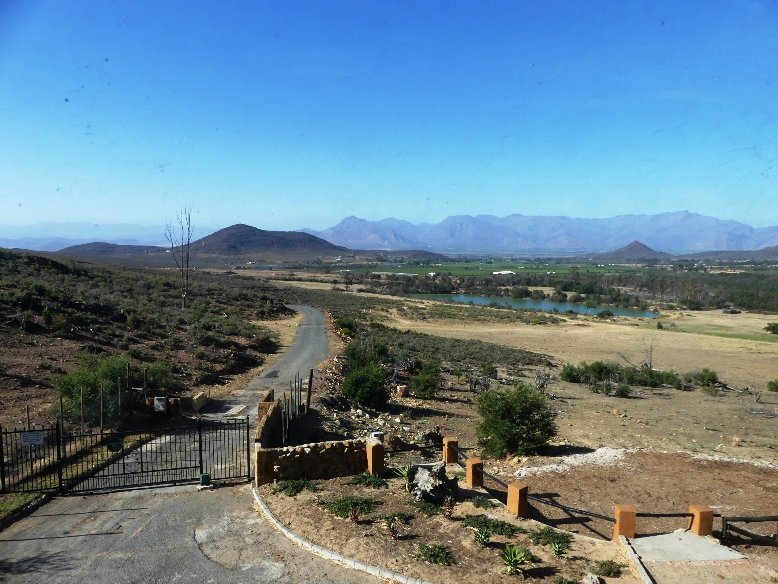
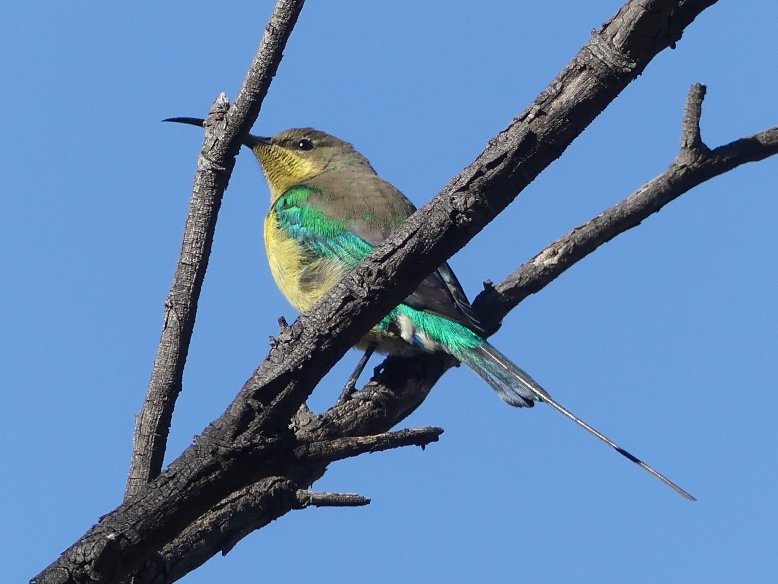
We all met outside at about 9am. We were to be split into two groups- one group for those who were staying on the Fairy Glen property (they have little cabins) and one for visitors. The guy making the announcements was pretty cool and seemed very personable and knowledgeable (and easy on the eyes, and a South African accent to boot!), so I was happy to learn that he was leading our group! He said the first thing we were going to do was feed and pet the elephants. Excited noises ran through our group. Huh? I’m not here to feed and pet elephants, I’m here to see them roaming “freeish” on 25,000 acres, doing their elephant thang! Well, apparently a large part of the reserve is being turned into vineyards, and the elephants are very destructive. So until they can be relocated further back at the foot of the mountains, they’re in pen. Sigh. Strike 1. Ok, I can get over this. Still a shot to bat it out of the park with me, Fairy Glen!! I really didn’t feel right about just feeding and petting them for the sake of doing it, so I refrained. But I will say this- compared to the Asian elephants I worked with at the sanctuary in Malaysia, these elephants are MASSIVE! Like twice the size of some of the Asians I worked with and I thought they were big! It was stunning and awe inspiring just how huge they were. I couldn’t begrudge Brian the chance to feed one though, since he didn’t get to go the elephant sanctuary with me.

Look at the size of this elephant compared to the guide!! (This was the other guide, not our guide)
After the elephant feeding, we all piled into one of those safari style jeep kind of things you see on TV. WOO-HOO!! Let’s go find some animals and get some great photos!! I made sure we got a seat right behind the driver/guide, Dennis, so I wouldn’t miss a word! Plus, like I mentioned, he was cute and it’s just fun as hell to get Brian all worked up about it! (evil girlfriend). And, of course, if you’re in the front you don’t have to see all of the tourists you’re actually on this trip with. Dennis gives us a bit of an introduction, during which he states he used to be a professional hunter. Ugh. Seriously? Look, we all have our own lines when it comes to being around animals- both those in captivity and those in the wild. And I get that some people hunt, and I don’t begrudge it. But trophy hunting (when not necessary to cull populations) crosses my line. Waaaaaaaaaaay over my line. Brian said he could see my face fall and completely change with that revelation (and I know he was secretly happy because he knew this guy just hit my shit list, cute or not!). Strike 2, Fairy Glen. Still a chance to hit it out of the park though! Let’s do this! We headed up and away from all of the buildings and construction on the reserve, into the “wild”.
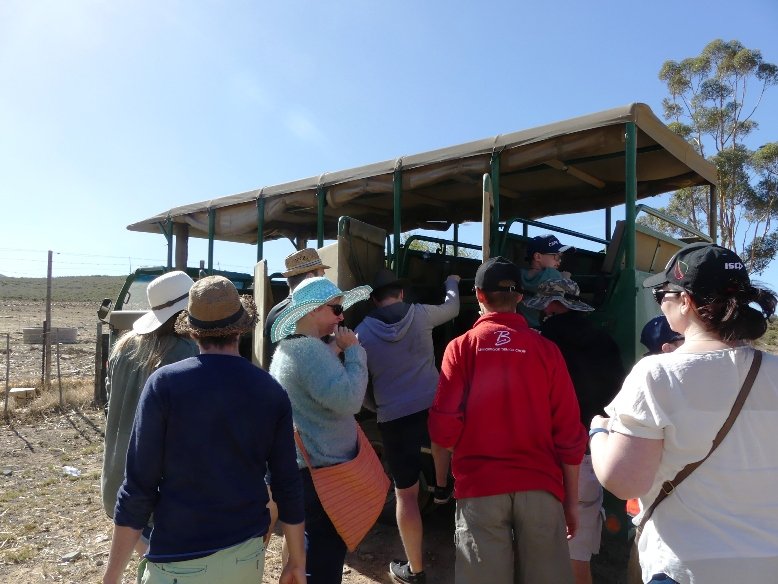

Expansive area, where no animals were. They were all down in the populated, busy area 🙁
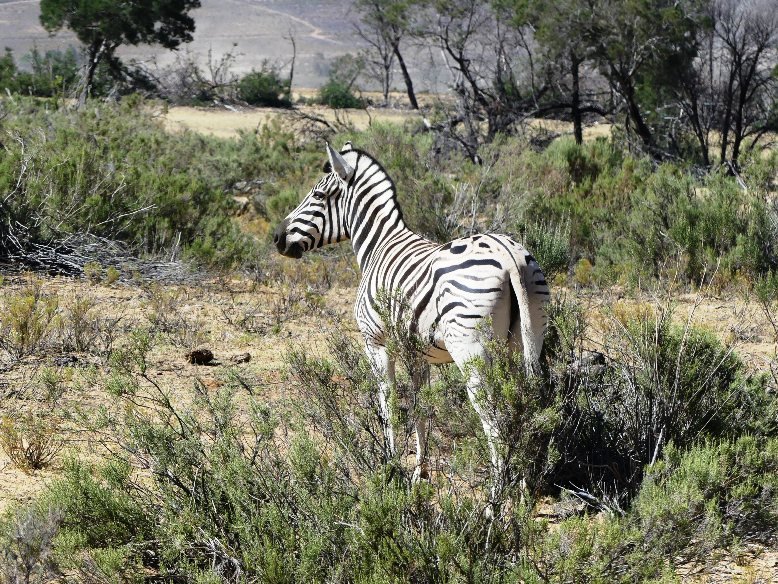
We went into the “wild”, made kind of a loop, then headed back down to the busy and populated area of the reserve. Dennis pointed out zebras and springbok (yes, we saw them on the way in). It was hard getting shots that didn’t have signs of civilization in them… Then, Dennis gets out of the car and shows us a rhino midden- they poop in very specific places instead of just whereever like other animals. He broke some open and showed us how full of undigested grass it was- because the rhinos don’t digest much of what they eat. Fairly inefficient. He then pulled out a piece of grass from the dung and put it in his mouth, toothpick/redneck style- much to the whispers of delight and disgust from the tourists. I was neither delighted nor disgusted. I saw it for what it was- an obvious ploy to tourists. “Oh my goodness- did you see that man put something that came from animal poop in his MOUTH?!!”. Sigh. We went a little further, and Dennis gets out again. He gives this long speech about the games they used to play in South Africa, and one was spitting shit. Yes, spitting shit. He picked up some smallish oval shaped poop (probably from some kind of antelope), puts it in his mouth, and chews it like gum- all while explaining how you had to chew it up and make it really sloppy so it would go further. The ooos and aahs and gasps of delight/disgust from the masses behind me was grosser than what Dennis was doing. He then takes a couple of steps and spits it out as far as he could. Guess what? I’m not impressed. Not in the least. It seemed like some kind of ego/give the tourists something to tell their friends ploy. It seemed contrived and gratuitous- neither of which I tolerate very well. I’m here and paying a lot to see ANIMALS, not watch some guide chew up shit. Foul ball, Fairy Glen…foul ball.
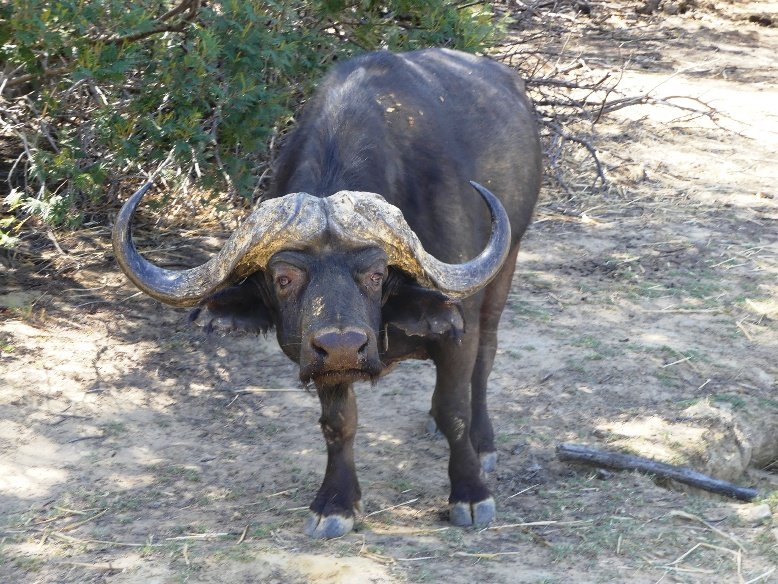
We drive a little further and there are some cape buffalo. The same ones, I think, that had been standing by the road when we drove in. Dennis goes on to explain just how dangerous these animals are. How they are demons. Then, he would open the driver door to try to get a reaction from the dominant male. I got the feeling that he was trying to strike some fear into the hearts of the masses and make it more exciting (jokes had already been made about how many people would make it back from the tour. Sigh.). Just SEEING these beautiful and massive animals was exciting enough! If you aren’t going to give me hard facts and teach me something, shut up and let me take pictures. Sheesh. While I’m sure these animals are quite daunting in the wild, these guys just wanted us to leave them alone. I couldn’t blame them.
So at this point, Fairy Glen has 2 strikes and a foul. We pull up to a lion enclosure (lions were literally the one animal we didn’t see either as we were driving in to the lodge or driving out of it). There were 2 females and a beautiful male. Dennis said he had hand raised the male. It made me think back to those breeder farms I had learned about yesterday at Panthera. The male was right up against the fence in a pretty awkward position to get good pictures. If I hadn’t have had the little display screen on my camera that allows me to see what the camera sees without having my eye to the eyepiece, I never would have gotten a shot. Can’t have that, apparently. Because Dennis goes back to the truck, gets a bottle of water, and proceeds to dump it on the male, agitating him to make scary faces and move. I was just in shock. Literally, in shock. I couldn’t believe what I had just seen. I just wanted to leave the entire reserve at this point, but Dennis tells us to follow him around the fence. The lions had all moved there to a) get the hell away from us and b) get into some shade. We all get over there, I’m still trying to process what I had just seen, and Dennis gets a stick and starts prodding the male with it. ENOUGH. I told Brian I wasn’t going to stand there. I stormed off and Brian followed. We went back to where the jeep was and I was crying angry tears, with poor Brian trying to console me. I’m here to witness these animals in some assemblance of the wild. I’m not here to watch a guide poke, prod, and agitate them for the thrill of it! Strike fucking three, Fairy Glen. You are OUT (of line). And if I could have walked back to my car from here I would have been gone. But we were in the reserve area and it wasn’t safe. That experience put me in a funk for the rest of the trip. I dwell on those kinds of things. Maybe too much. But at this point, I was so over Dennis and Fairy Glen, nothing could have changed my mind.
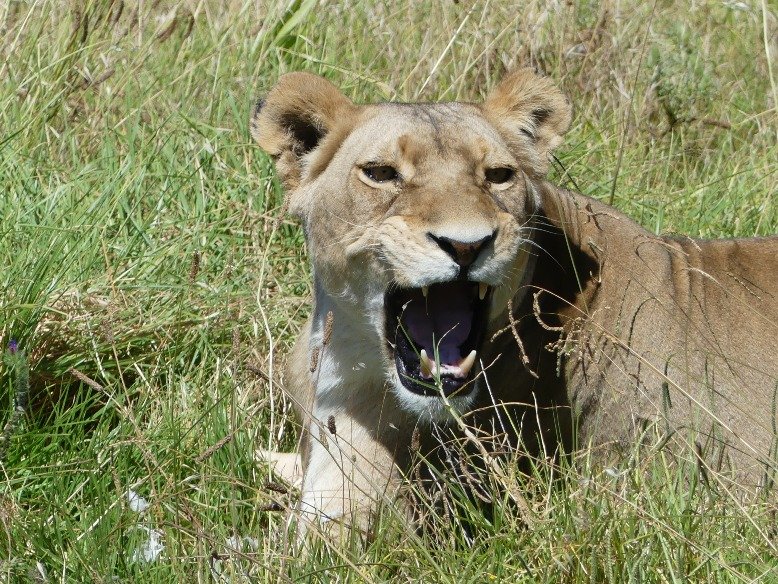

This is the lion that the guide agitated. 🙁
And things didn’t get much better. Dennis referred to the ostriches we came across as “stupid animals”. Ok, I fully understand that ostriches aren’t the brightest bulb on the bird tree, but to call them stupid…it hit me the wrong way. There are better ways of saying it without being so degrading and egotistical. Stupid compared to what? Ostriches survive into old age in the wild without a gun. Could you do that, Captain Superior Dennis? Doubtful. So really, who’s stupid? Stupid is relative. And after what I had just seen Dennis do to that lion, I’d put my odds on an ostrich’s brainpower over Dennis’ at this point. Next up, wildebeest! And guess what? According to Dennis, they too are “stupid”. If this guy didn’t shut up soon, I was going to get ugly. I could feel the words boiling up inside of me. I thought they were beautiful, and they perfectly serve their niche in the ecosystem. Dennis couldn’t even serve his niche as a kind and compassionate tour guide. So again, who’s stupid?

NOT stupid. Beautiful and curious.
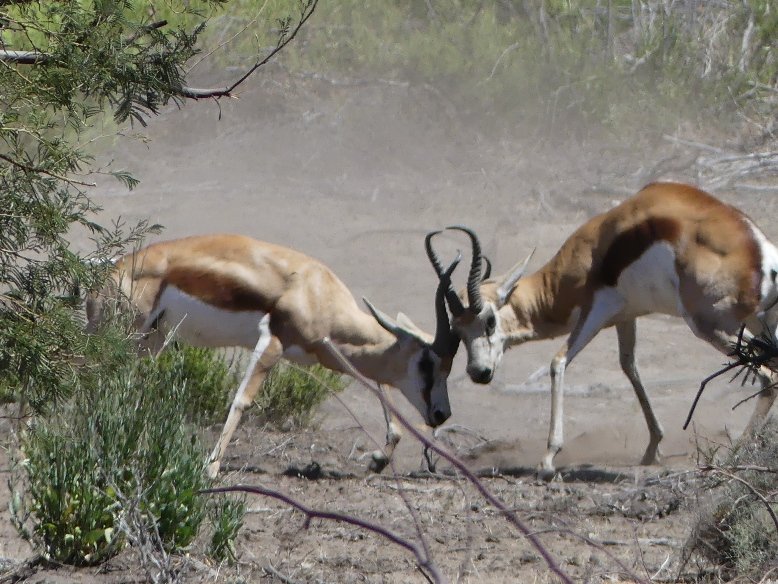
Now, for the only really “wild” thing I saw at Fairy Glen. Two male springboks were fighting! It was really interesting to watch this behavior play out in front of me. Well, kinda far away from me and behind some bushes, but I could see it happening! It was a very “Mutual of Omaha Wild Kingdom” moment for the little girl inside of me! We watched them for quite a while, then moved on.
This next story is where Dennis almost redeemed himself, but not quite. It’s the story of Lady and Higgins- the male and female rhino that live on the reserve. Someone had snuck on to the reserve several years back and poached their horns!! They were found near death the next morning. Rhino poaching is a SERIOUS issue. More than 1 is killed per day in Africa, with their horns going to the Asian “traditional medicine” (I said it yesterday and I’ll say it again- traditional BULLSHIT) market. Of course, Asians who have weak minds, weak hearts, and weak dicks think rhino horns will fix at least one of those problems. Fuck. Seriously, how stupid can someone be in 2017?? Compared to an ostrich or a wildebeest, those Asians are far, far stupider… The story of Lady and Higgins was horrible, and you could see that Dennis was affected by it (nice to know there’s a heart under all that bravado). They almost died, but were nursed back to health. The owner of Fairy Glen even wrote a book about it. So now, not only are these the southern most rhinos in Africa, they are the only ones to have survived a poaching attack. They lost their horns, but not their lives…
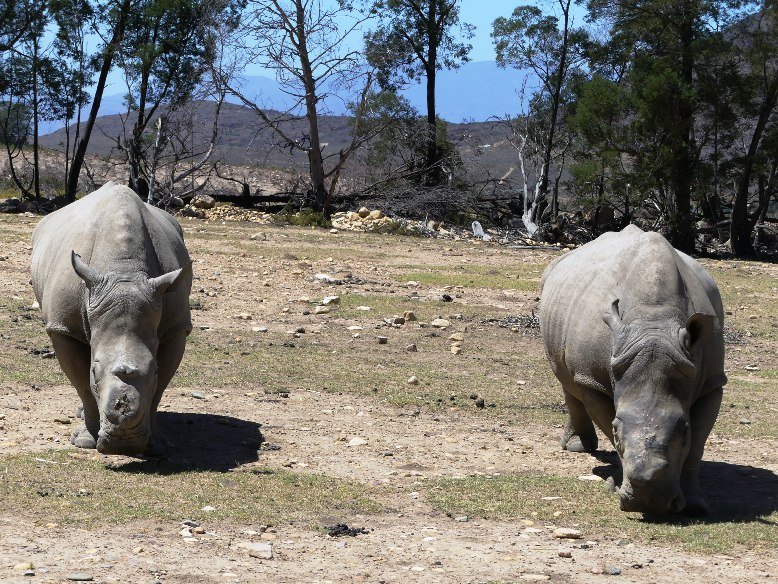

This is Lady. They didn’t cut her entire horn bed out, so hers grows back. They remove it often though so it doesn’t tempt anyone.

This is Higgins. His entire horn bed (like your nail bed) was removed with the horn, so his doesn’t grow back. Numerous skin grafts to close up the hole into his nasal cavity. 🙁
Next we went to another lion enclosure, but these one we could drive into. There was a male and 2 females. Dennis kept talking about how aggressive they are and how one of the females is such a “bitch”. Stupid. Bitch. Huh, funny cuz those are the exact two terms I had been thinking about for Dennis. (Can you tell I’m just over this guy?? Don’t torment and don’t insult animals around me.) We drove fairly close to them and looked at them for a bit. Dried skeletons of cattle carcasses and such were scattered everywhere. There wasn’t a lot of shade in this enclosure and nothing high for them to get up on. Sigh. And Dennis did his same “open the driver door to agitate the animal” schtick he had done with the buffalo.
We drove around some more, looking for the Elans- the largest antelope in Africa. We had seen them when we pulled into the reserve. They are stunning! And it’s that big flap of skin under their neck that the San people used to make flip flops with!
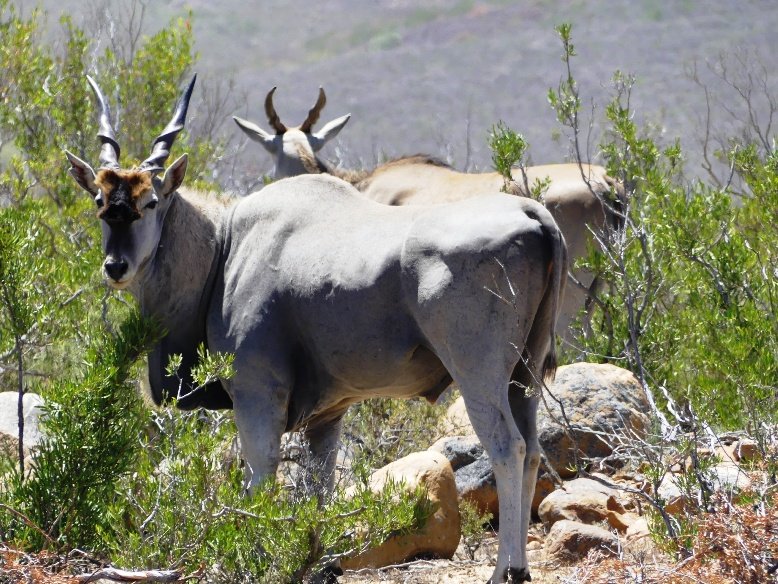
It was time to head back, and I was glad. I had a cloud over me ever since the incident at the first lion enclosure, and I couldn’t shake the feeling that I needed to leave this place. We went in, got our buffet lunch (again, a good variety, but really quite bland). We sat upstairs by ourselves. Dennis walked up and handed me the book the owner had written about Lady and Higgins (the rhinos). I thanked him. I don’t know if they give that book away to everyone on the tour (if so, that would be a lot of books to hand out every month!), or if he knew I was displeased with this whole experience and was trying to make it up to me (I know it was all over my face- I don’t hide things too well). Either way, I’ll look forward to reading it. It was now time to drive a little over an hour to Aquila, and I was dreading it totally. Had it not been prepaid, I would have skipped it and gone back to the house. In fact, the idea that this place was only 995 rand ($80 US) was scaring me. Cheaper (and by a lot) than Fairy Glen probably meant the experience would be a lot worse…
The drive was beautiful (as is the majority of what I’ve seen of South Africa!). Huge mountains, vineyards. We pulled in and I immediately cringed. This was a resort. Everything screamed “If you want to visit Africa, but want to live in your bubble from home the entire time, you’re in the right place!”. Yes, I’m judgmental. But it’s my blog and I write about how I feel. And I HATE places like this. Froo-froo registration desk. Froo-froo restaurant. Froo-froo swimming pool. Froo-froo bar by said swimming pool. Froo-froo white people running around in froo-froo clothes saying and doing froo-froo things. UGH. Already hated it. We were early, so we sat down. The views (as long as you could keep the tourists out of them) were pretty amazing. We met at the meeting point at 3:30pm for our Sunset Safari tour. A guy and girl boarded, and she starts in with all of her fake fear to impress the boyfriend, “Oh my god! I can’t do this! I’m so scared! I don’t want to die! Oh, I just can’t do this!”. Good. Then get the fuck off this truck and do us both a favor. PS: As much as I hate froo-froo resorts, I hate fake ass girls even more. But this was exactly that kind of tourist sheep behavior Dennis had been playing into earlier. Sigh. The truck was full, and we started off. My expectations and excitement level were super low. First stop were HIPPOS!! They were in a huge pond quite a ways away, and in the water. I took about 30 pictures and only a few even turned out. How awesome to see them, though!

Can you see the hippos WAAAAAAY out there??
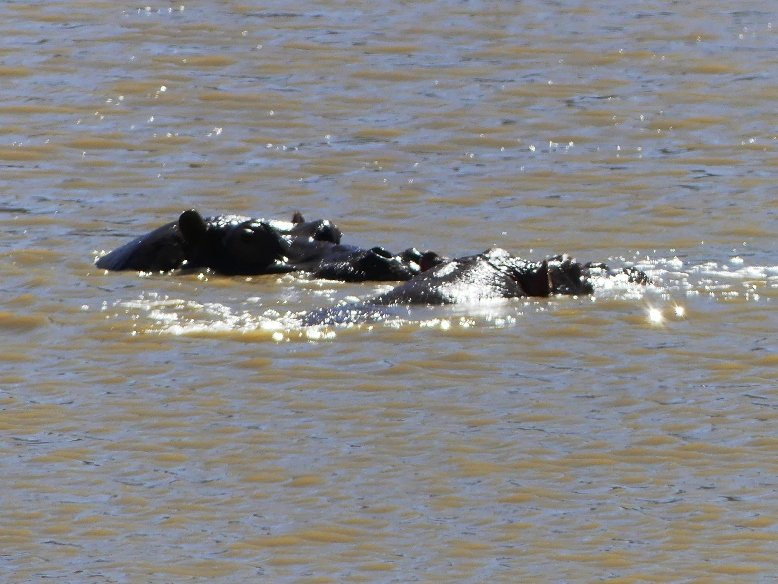
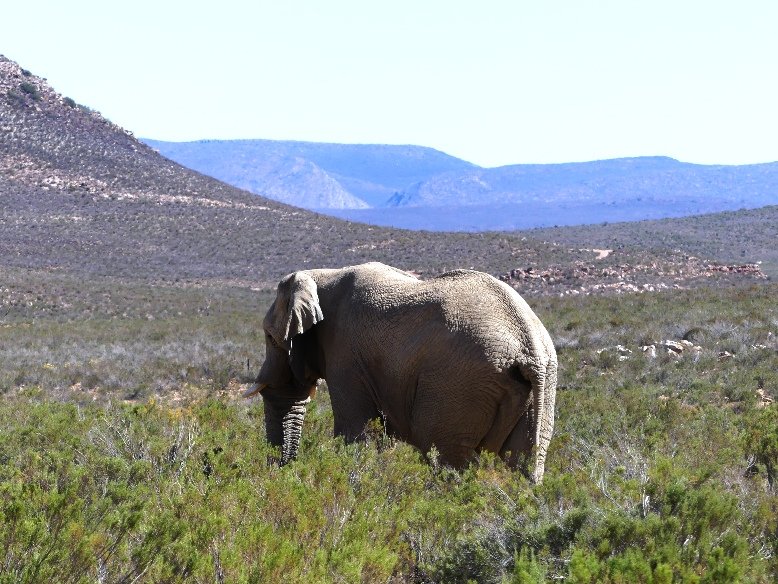
The guide was good. I mean REALLY good. He gave us so much information about every animal! Now THIS is what I wanted. In the distance, we could see these 2 massive creatures roaming “free”. Elephants. We drove up the road and they were in it. And they weren’t real pleased with us being there. They started walking toward us, and the guide just slowly backed up the truck to give them their space. Watching these animals cross, and walk off toward the hippo watering hole was just amazing. Aquila is about the same size at Fairy Glen (10,000 hectares, 25,000 acres), but it feels so much more wild. So much more remote. You can’t see buildings and construction and signs of civilization everywhere. In fact, for the vast majority of the trip all you could see was “wild”. I told Brian I was liking this place much better!!

Heading toward the jeep. MUCH better than handing them carrots over an electric wire!
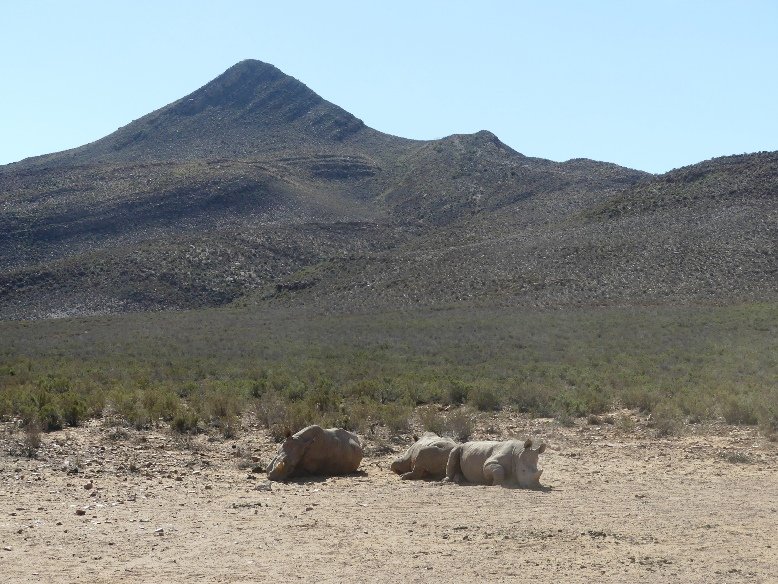
Next, we saw a rhino. WITH her horn! And not only with her horn, but with a nursing baby as well. Awwwwwww! Brian asked about how they insure their safety (from poachers). The guide said there was security everywhere, and we couldn’t even see it. I asked how many rhinos were here. He wouldn’t say, in order to protect them. Nice.

See the baby nursing?!!!!
We saw more elan, zebra, and wildebeest. The guide said that the zebra and wildebeest hang out together. That when it’s time for a crocodile infested river crossing, the zebras know the wildebeest will cross first. It was a way of saying wildebeest aren’t as smart as zebras in this circumstance by pointing out how they interact in their environment. Not by labeling them as “stupid” and feeling smug about it. Nice! We came across three more rhinos, just hanging out near the road. And with horns. So innocent and beautiful.
Then it was time to see the lions. Lions at both parks were kept in separate enclosures within the reserve, and I understand that. But this enclosure was MASSIVE!!!!! So much bigger than the enclosures at Fairy Glen, and the enclosures at Panthera. You literally couldn’t see the fence line from end to end it was so big. And there were big rocks (high places) for them to get up on! We didn’t drive right up to them like we did at Fairy Glen. We kept a large distance and admired them from afar. No wonder lions are called the kings- they are truly majestic.

Truly the king. Coming face to face with that in the wild….damn. The power is palpable.
We drove out of the lion enclosure on the opposite side. I really couldn’t get over how big this place was. We had stayed in such a tiny area of Fairy Glen. Here, we drove and drove and drove. We saw an Oryx, and then the guide asked if we could see the thing waaaaaaaaay out by the bush. I couldn’t- it was too far away. He said it was a giraffe. I zoomed, and indeed it was!

Can you spot the giraffe???

Only with mega zoom!
We stopped at a little rest area for drinks and snacks, then headed back. I was feeling so much better about the day after experiencing Aquila. So now I’m going to leave you with two parting thoughts:
1. If you are in Cape Town and trying to decide which reserve to go to, go to Aquila- HANDS DOWN. Yes, it adds an hour to your drive (one way). But it’s cheaper, it feels more wild, the guide we had was so much more informative, the animals are respected, and you get all the animals you get at Fairy Glen, but with hippos, oryx, and giraffes as well!!
2. I will never do a private game reserve tour again. Even though Aquila was a better experience, overall, it’s not for me. Neither tour mentioned anything about conservation (except for rhino poaching), which bothered me. These aren’t sanctuaries, but some conservation sentiment would have been nice. Plus, I want to see these animals truly in the wild – not dependent on humans for food. My next such outing will be a real safari (Brian and I are already researching).

by Mary Middlebrook | Jan 19, 2018 | South Africa
Our last full day in South Africa. The time has just flown by. No long drives today, just another visit to Hout Bay, then into Cape Town for lunch, then back to the house. Due to circumstances, the caretaker of the home was unable to return on January 9 like was originally planned. Fortunately, the housesitters I met up with for the Cape Town Street Parade were ending their house sit on the 10th and we were leaving on the 11th. It was like fate! So they were going to meet us at the house tonight to get settled in.
The day’s itinerary started with a drive over Chapman’s Peak to Hout Bay. Toll is 45 rand (about $3.60 US), but man on man are the views worth it!! Side note: They do NOT take international credit cards, so make sure you have cash! There are several little pull outs for taking pictures, and I think we hit every one of them!

Noordhoek Beach

Sheer cliffs on one side, the ocean on the other

Stunning view of Hout Bay
We parked, and there wasn’t the mass of cars and people that I was used to seeing. The market is only open on the weekends, so without that, it was pretty dead at the harbor. We walked up the little path into the Hangberg neighborhood where Xoma Aob, my Khoi Khoi friend, lives. I feel so comfortable around him, like I fit in (even though I have zero idea what I actually have in common with this man or his culture). The outside of his home is simple- pieced together with rocks and brick that he mainly found in an area where people dump things. His wife made him buy some bricks to quickly complete the house, and he showed us which those were. Then, we went inside. OH MY GOD. This place is AMAZING and you’d never even guess it from the outside!! I was so blown away. While we were inside, he talked for about an hour of the history and struggles of the Khoi people (indigenous Africans), and I got a lot of it on video for my students. Fascinating.

The amazing fireplace. The design, creativity, and details inside of Xoma’s home are breathtaking.

Xoma with an Olive Green House Snake he is keeping for a while. He feeds it geckos. He said people kill them because they don’t know, so he tries to rescue them when he can. He said he’ll let it go soon, but wasn’t done talking to it quite yet. 🙂

Xoma showing us the cannonball from the 1700’s that he unearthed when he was building his house.

Some of the amazing things Xoma has in his home. It’s small, but perfect!

More of Xoma’s cool things. I wish I knew the stories behind each of them.
After our history lesson, it was time for a walk. First, he took the sage that he had been burning in an abalone shell in his fireplace and rubbed some of the ashes on our feet. Then, he sang a song about thanking the ancestors for bringing us together. I wanted to be in the moment, so I didn’t video it, but it was so meaningful and sincere. He then took us on a walk through the streets of Hangberg- greeting practically everyone we passed along the way. We wound through a few streets, then turned down a small street which dead ended into a trail. As we started our ascent up the mountain, there was lots of litter everywhere. Xoma pointed out how awful it is that people don’t care about the sacred mountain. We passed an area full of empty abalone shells. I knew from my research that abalone poaching is a serious business for some residents of Hangberg. We spoke a little about this situation. Up and up, we wound through the fynbos, and soon came to a ridge with an amazing overlook of the ocean and Seal Island. It was breathtaking, and I knew and appreciated that not many outsiders got to experience this. We talked about how he used to swim here as a boy, what this area meant to his people. I was soaking up every word. He has such a calm and peaceful demeanor to him, but I know there’s a fighter in there as well. He spoke about protests the community had waged against the government and police and his role in them. Hangberg is kind of a “hotspot” for uprisings.
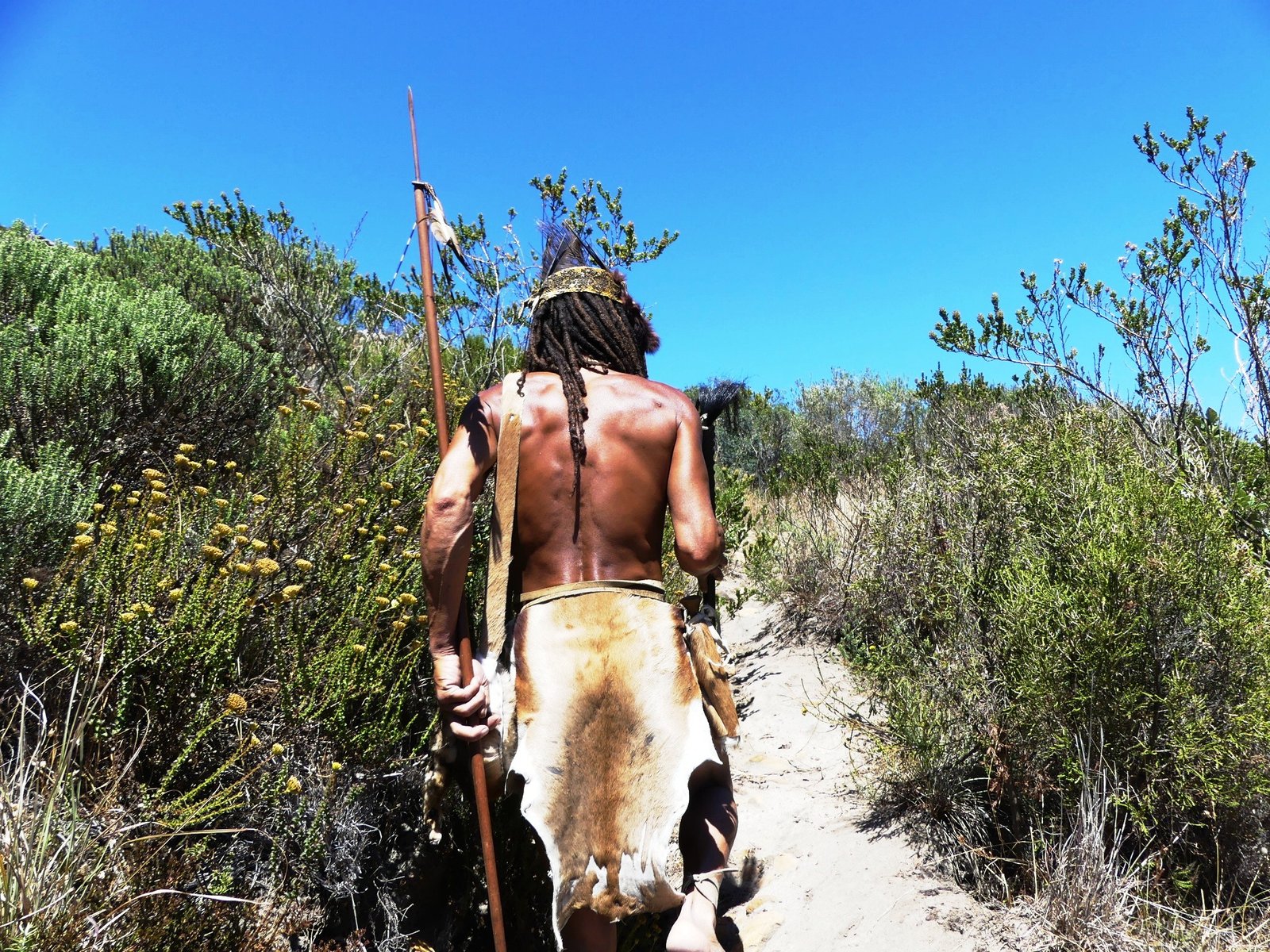
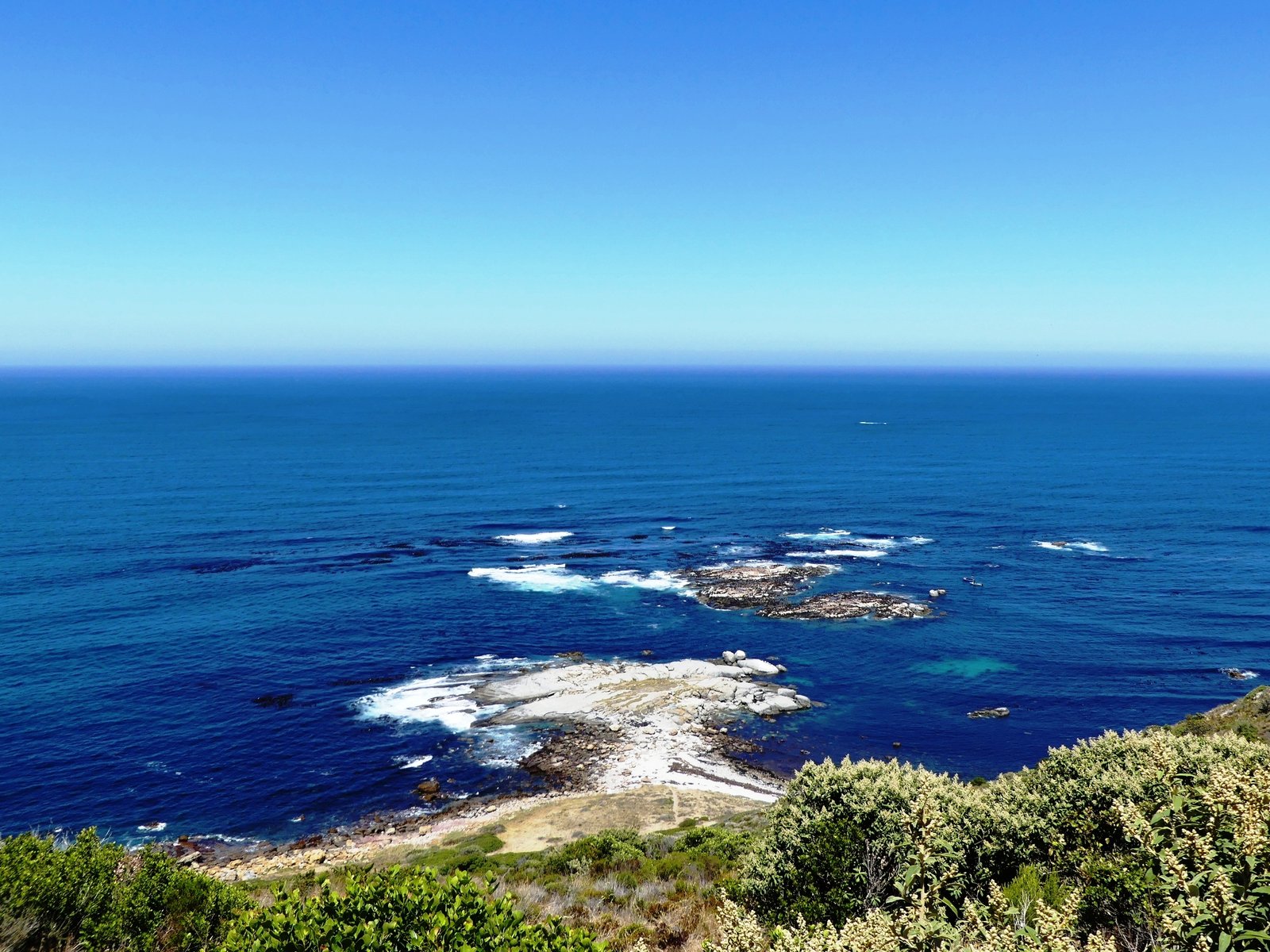

Zoom of seal island. Hundreds of them! Tourists can take a boat here to see the seals (this is not the island I visited on the boat)
He asked if we wanted to hike down to the seal beach. I looked at how steep it was, knew how hot it was that day, and decided I probably shouldn’t. I have a feeling I’m going to regret that, but I just didn’t feel prepared enough for a tough climb back up with no shade and only one bottle of water. We started back toward Hangberg, and Xoma taught us about some of the natural remedies found among the fynbos. Rosemary, sage, geranium, and more.
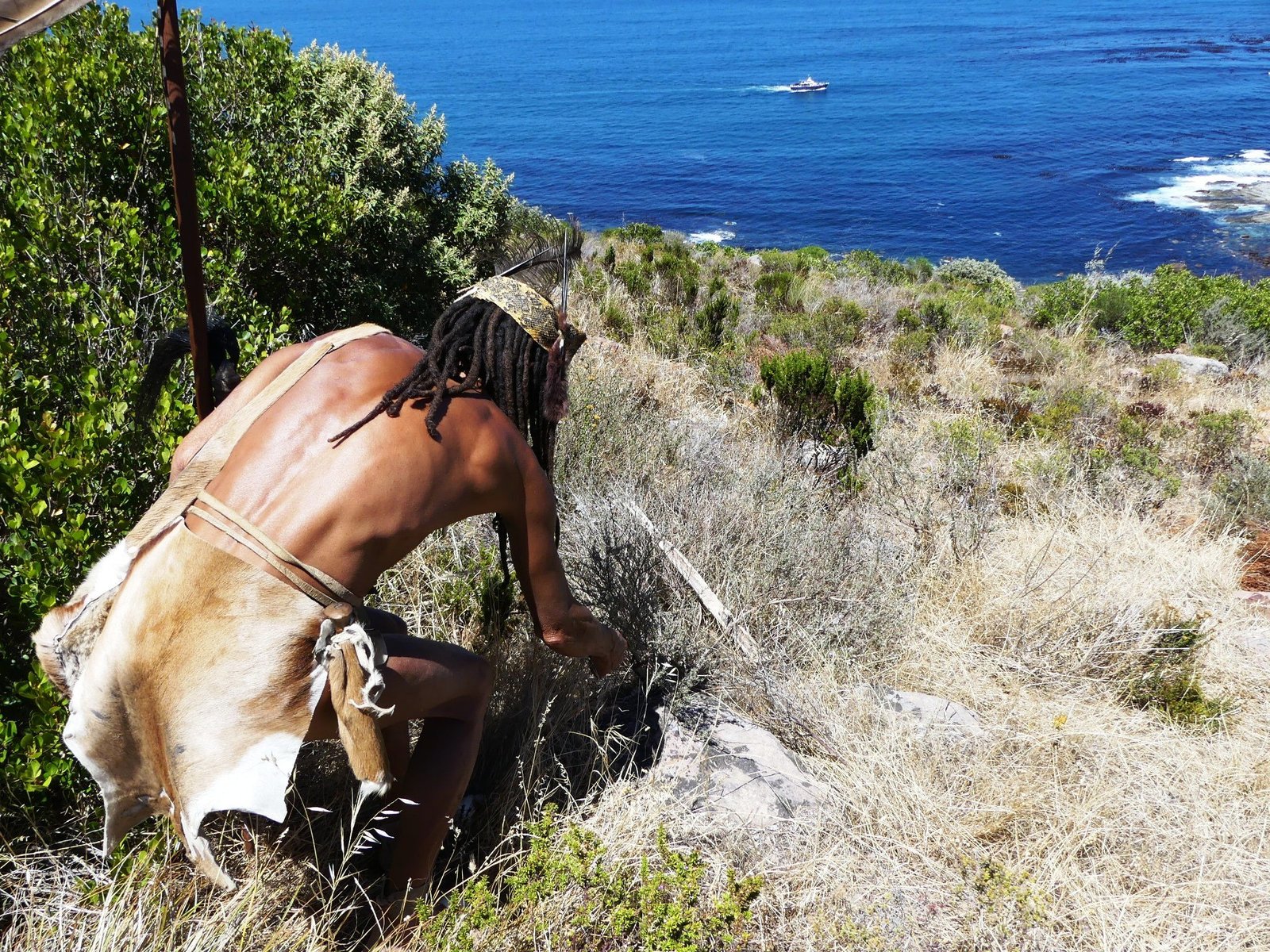

Beautiful view of Hangberg and Hout Bay

Korana. The inscription designed into the bottom step outside of Xoma’s house. Korana is kind of like the ruling royal government of certain Khoi tribes.
We walked back through the streets to his house. He gave us some dried sage and taught us how to properly burn it. I didn’t want to leave this place, because it is full of history and knowledge and wisdom that I know I can’t find back home, but it was time to go. We had spent an amazing two and a half hours with Xoma. When I originally asked him last weekend how much it would cost for our tour, he said 150 rand each ($12 US), and I had 300 rand ready. But he had given me something worth SO much more than that. Something priceless. An experience, a connection. I had whispered to Brian as we were entering the house to give him $100 US. And as it came time to leave, I asked him if he had a way to change US dollars to rand. He said he did have a savings account at the bank. Brian handed him two $50 bills. There was this moment of silence that permeated the little house that was decorated with so many amazing things (things that I felt each had a story and importance to Xoma). Tears welled up in his eyes and he said he knew it. He knew we were going to pay him in US currency. And he had actually had a little frustrated talk with himself about it before we arrived and said “money is money”. But what he didn’t know was that we were going to give him that much. When I do something charitable, I only give to individuals. I never give to big organizations. I like to know where my money is going. But I want to make it clear that this was not charity by any stretch of the imagination. I wanted Xoma to know how much he and his story (history) meant to me. And this was the one way I knew I could make a difference in his day the way he had made in mine. We said a warm goodbye to Xoma. I do hope we can meet again someday. As we walked back down the little path from Xoma’s house to the car, Brian asked if I was in my zen place. He knew the answer.
We headed into Cape Town with one goal in mind- LUNCH!! We never eat out- we had eaten out once last weekend in Hout Bay, and this would be the 2nd time. The housesitters I had met said they had lunch at Mama Africa’s on Long Street and that it was really good. I had seen the menu as we walked by and there was a “mixed grill” of exotic African meats that I knew I had to try! Brian ordered the mixed grill, I ordered the bobotie (a very popular African dish). The mixed grill had crocodile, ostrich, springbok, kudu (a type of antelope), and warthog (that we ordered extra) on skewers, and then one sausage that was a combination of springbok and kudu. The bobotie was a ground beef that had so many exotic tasting spices in it- reminded me a bit of curry spices. Now, to the mixed grill…I am a carnivore through and through and make no apologies for it. The crocodile was just like alligator- very good and chickeny tasting. The wart hog was just like pork. I was raised in Texas and I know meat. Ostrich had become my new favorite meat over Christmas. But now, it is springbok and kudu. The flavors- my god they were AMAZING!! So tender!! It practically melted in your mouth. I could have eaten pounds of it!! Mama Africa’s is kind of a “touristy” type restaurant, and now I just wanted to drive out into the bush and have some freshly killed springbok and kudu cooked over an open fire by some African woman who knew how to cook!

Bobotie

Mixed grill- from left to right: Crocodile, Springbok, Ostrich, Kudu, Springbok/Kudu sausage, Warthog
We were STUFFED. Headed back through the streets of Cape Town, over the mountain, down to the coast, and back to the house in Simon’s Town for the last time. Got the housesitters settled in, did a little packing, and went to sleep early to prepare for our last adventure tomorrow morning and the flight that would take me away from beautiful South Africa in the evening.

by Mary Middlebrook | Jan 20, 2018 | South Africa
Today is D-Day. Departure day. But with a flight that didn’t leave until 6:30pm, that meant almost an entire day to devote to one last hoorah! Today was a trip to Robben Island, the island where Nelson Mandela was imprisoned. Honestly, I don’t know much about apartheid or any of that history (yet- gotta research for class!). So I was hoping for a good mini crash course.
If you want to go to Robben Island, at least during the high season for tourism (mid-December to mid-January), you have to book your tickets in advance online. Originally, I had planned to do this trip by myself over Christmas, but it was completely sold out for days on end. I got us tickets for January 11 at 9am. We woke up, finished packing, said goodbye to the housesitters, and headed into Cape Town. It was weird leaving the house to someone other than the homeowner or caretaker…and I felt some kind of odd responsibility toward it. Like if something went wrong on their watch it would be my fault somehow because I suggested them, or that I should check up on them and make sure everything was ok (even though I know they are STELLAR house sitters with amazing reviews from numerous international sits). Maybe without any real pets to bond with (it’s hard to bond with a porcupine, although I love and will never forget my little Behati!!), I bonded with the house. Down the hill we went for the last time. Past the little penguin beach. Past the shops. Up and over the mountain toward Noordhoek. Down into Cape Town. All of this such a familiar path by now. We got the V & A Waterfront (where I went to the aquarium what seems like months ago!), and I must say that the signs telling you where to park and how to find the boat were pretty much non-existant. Google maps tried to take us down some industrial freight delivery road. Let me pause here and say that of everywhere I’ve been with my beloved Google Maps, it sucks the worst in South Africa. I’ve been on remote roads in the middle of no where Cuba with more accurate information… We finally asked someone, found the “red building” to park in. Asked someone which lift to take to the boat. Ugh. Stepped outside and there was a huge line. This is a VERY popular tour! Had to show our tickets, go through security, and then get on the boat. Let me clarify “boat”. This was a huge catamaran with a zillion nice seats inside. Kind of like sitting on a really wide train! 🙂 The housesitters had told us to be the first off the boat so we didn’t have to wait on a bus when we got to the island, so we sat at the back of the boat.
We literally could not have picked a more beautiful day to go to the island. When it’s windy, the boats don’t run, and that is a serious concern. But today there was zero wind and the sea was practically like glass. Of course, we took our Bonine as a precaution anyway, because no one wants to be seasick then get on a plane! It was a quick half hour ish to the island, and we jumped up and got in line to get off the boat as quickly as possible. Saw where the buses were, and went into our speed-walk-pass-up-everyone mode. Got on the first bus they filled. It was the last to drive through the gate. 🙂
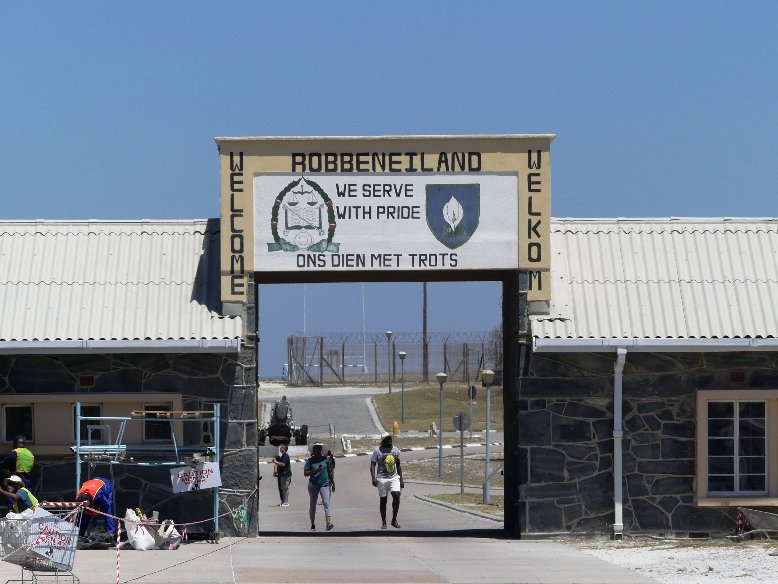
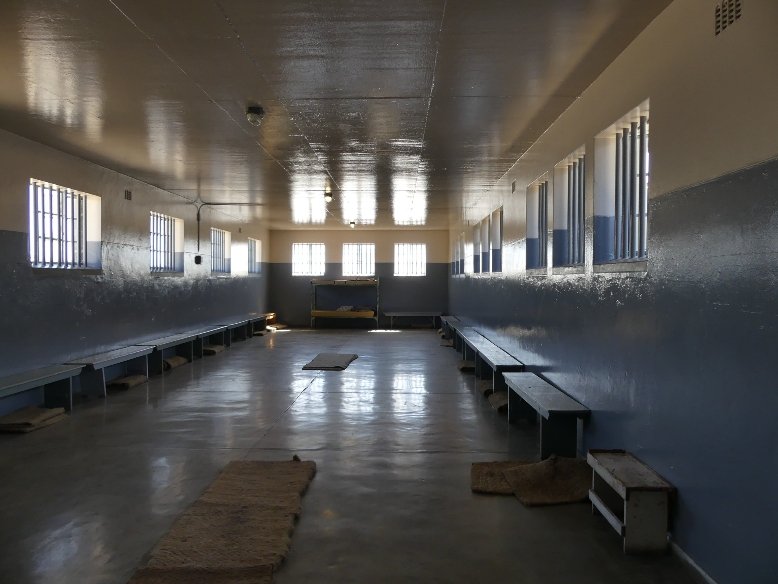
We then drove to the prison, where we would be led on a tour by an actual former political prisoner who was imprisoned here. That’s pretty sobering, and I was really excited to learn from someone who had lived it, not just studied it. Our group was massive. Probably 40 people or so. Side Note: If you’re ever in a large tour group with me and lose me in the crowd, find the guide. I’m always about 6” away so I can hear everything! Our guide explained that he had been imprisoned here. He was arrested on June 18, 1984. He was kept in an individual cell for 6 months. Two years after his arrest, he was sentenced to 14 years for “terrorism”- basically, for fighting for his rights as a black man against an oppressive government. He served 4 years of that 14 year sentence, because all former political prisoners in the country were released on February 11, 1990- including Nelson Mandela. We entered the prison. It’s sectioned off into different blocks, designated by letters. We started in F block. Here there was a large (relatively speaking) communal cell that we entered. This is the same cell that our guide spent most of his time in. Wow. This cell would hold 40-60 men- both political and criminal. The prison was opened in 1961, and until the Red Cross intervened in 1979, the men slept on mats on the floor. The Red Cross provided bunk beds and helped to better conditions in the prison. Nelson Mandela was one of the prisoners that had complained to the Red Cross about the living conditions- food, bedding, treatment by the guards, etc… The picture below shows the mat and the bunk bed.

Our guide. I couldn’t understand his name. 🙁
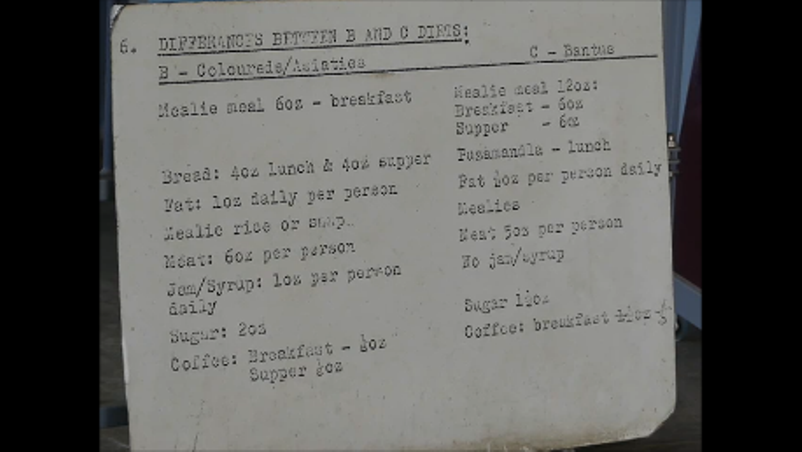
Racism didn’t just exist outside of the prison walls, it existed inside as well. Here you can see the daily allowance of food, and it’s split into 2 groups. B- Colored/Asiatics and C- Bantus. I’ll be honest, it was really hard to keep up with what the guide was saying. His accent was thick. He had to speak loud because there were so many people, and his voice echoed off the cement floors and walls. My ears give me fits as it is, so this was not my ideal learning environment! I had no idea what this card even was (other than a menu) until I came back and really listened to the video I took and did a little research. What’s a Bantu? A black person. Look at the differences in what they were allowed. And honestly, look at how little food it really is. The whole thing is just….degrading. God.
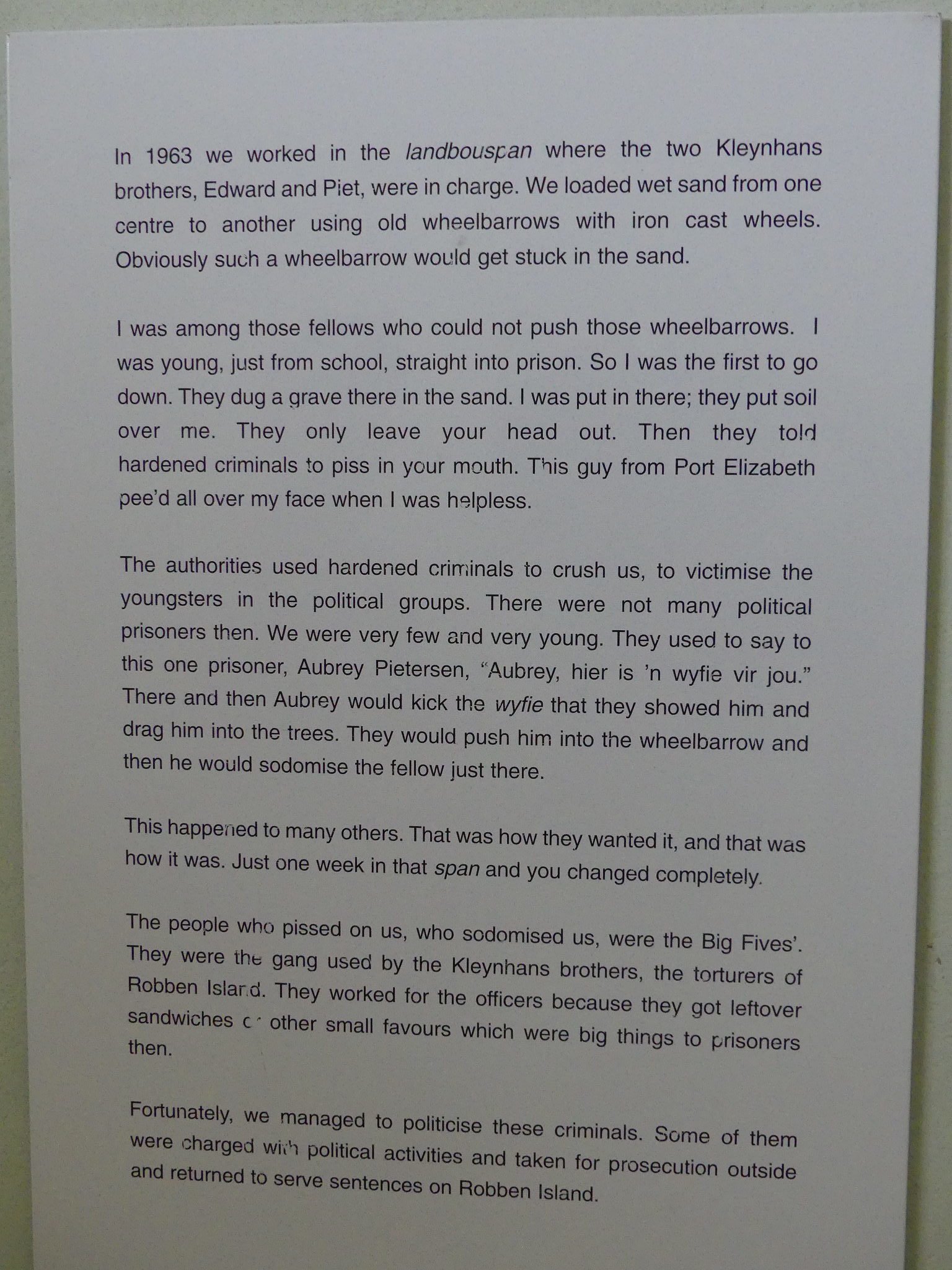
Next, we moved into A block. These were individual cells, and they were tiny. There were probably about 70 cells in total (maybe more). We were allowed to walk on our own through the block. Practically every cell had a picture of the man who lived here, a written story from them about their time there in their own words, and sometimes even a momento of their time there- a book of letters they kept from family, a certificate they won playing table tennis, etc… I knew I didn’t have time to read them all, so I went through quickly taking two pics in each cell- one of the man and one of his story. Some of them (like the one below) are not “classroom friendly”, but many were. I was so excited that students could read these men’s own words and see their faces- something to make it a little more real to them. Imagine my chagrin when I was on maybe the 10th cell, when our guide called for us to move to the next building. WHAT?! We hadn’t even been in there for 5 minutes! And we hadn’t even worked our way to Nelson Mandela’s cell! Brian and I, and another man and his son started running down the hall, checking every cell’s picture trying to find Mr. Mandela’s- which all of us could have swore the guide said was the 7th cell. The rest of the group had exited, the guide had been REALLY clear about staying together, and all 4 of us were just in a panic. After checking every cell where we thought it was, we finally followed the group out. I really did not like being rushed through like that and missing so much important information. In fact, I was mad.

This man lived in this cell for 12 years. His name is Moses Masemola. His story below is horrific.
We were herded across to another block and into a courtyard. The guide said that this was the courtyard for Nelson Mandela’s block, and his window was the 4th one on the right. PHEW! We hadn’t missed his cell after all! Everyone pushed their way into the hallway of the block, and filed past the cell that Mandela had spent 18 years in- from 1961 to 1982. He served a total of 27 years- some of that time at other prisons. His cell was exactly like every other cell on the block. Nothing special about it. Nothing that made it stand out. About 8 feet x 7 feet with a mat and blanket, a table with his food dish and a cup, and a metal trash can. It wasn’t for trash.
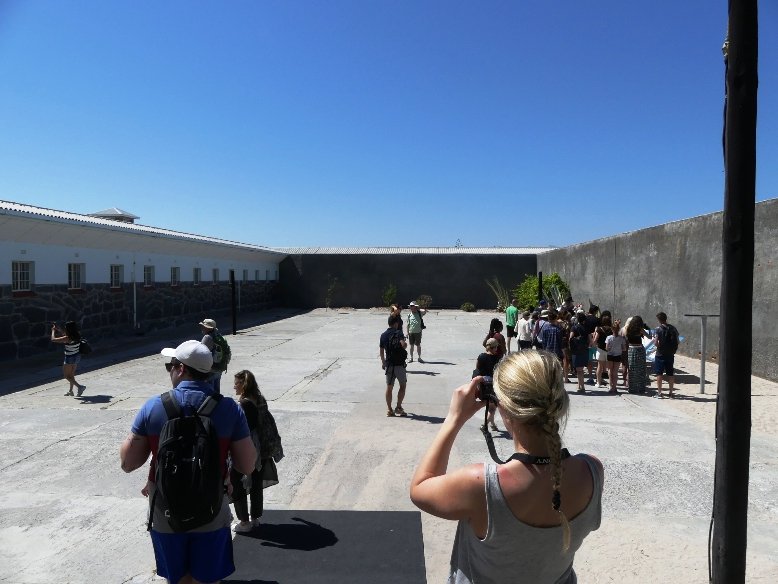

The 4th window on the right is Mr. Mandela’s
Nelson Mandela’s cell
And that was it. Our prison tour was over. I really felt like something was “missing”. Some part of the experience. Some deeper understanding. I don’t know. We boarded our bus with a new tour guide. A young man who probably wasn’t even born in 1990 when the prisoners were released. But he was quite knowledgeable! We drove around the island to see other parts of it. First up was a huge graveyard. The island actually served as a place to remove people with various problems from society in the 1800’s- leprosy, mental illness, the elderly, people with diabetes- anyone no one wanted to take care of, basically…Ignorance. I question how much more educated we really are today…

Graves were all over the island. In fact, the prison is built over one.
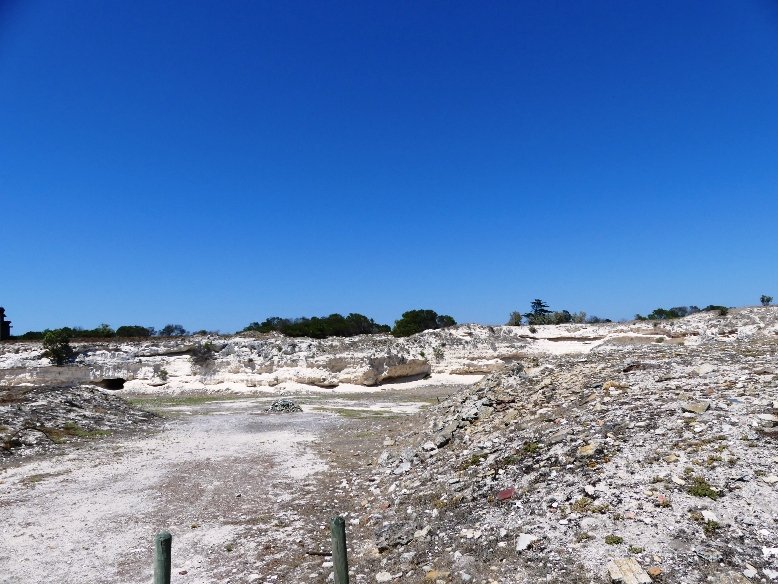
We then pulled up in front of a lime quarry. This is where the prisoners were forced to work every day. The sun shining off the blinding white lime and no sun glasses. The dust from taking lime rocks and pounding them down to powder with no masks to protect their lungs. Hardly any food. Watched so closely by guards and dogs that you dare not slow down or get out of line. Except….to go to the bathroom. A little cave was dug out (you can see it in the pic on the left) for that purpose. And it STUNK! Horrible!!! But for the prisoners, it was their sanctuary. Because it smelled so bad, the guards wouldn’t go in there. And newspapers (sometimes years old, but still news to them) and books were smuggled in and hidden there. Quick meetings were held where the prisoners could talk openly with each other. If those limestone walls could talk…
We pulled up in front of a fenced in yard with several buildings, and learned about a very interesting man I had never heard of. Robert Sobukwe. He was educated, and a fervent organizer and leader of black protests against Apartheid. After one incident, he was arrested and spent 3 years in prison. AFTER he finished his sentence, a law was actually written in to the Constitution stating that he was to be kept on Robben Island at the complete discretion of the Minister of Justice. In other words, imagine you are fighting for your basic human rights, are arrested, serve your complete prison sentence, and instead of going home you are told that a new law has been put into place and you aren’t going anywhere unless the Minister of Justice decides you are no longer a threat. Outrageous! The law was called the “Sobukwe Clause”, and he was the only person to have a law written that only applied to him!! He wasn’t kept in the prison, but in a house on the Island (see the house on the left with the electric pole). It was basically solitary confinement, as he couldn’t interact with the other prisoners. But he was allowed the luxury of books and magazines that other prisoners couldn’t have. His family would even come and stay with him for a week or so every once in a while. He remained here for an additional 6 years- earning a degree in Economics from the University of London. Actually, after reading materials were finally allowed into the prison, most every political prison left with at least one degree. Those buildings on the right with all the doors? I never would have guessed that they were DOG KENNELS!! Air conditioned and much larger than prisoner cells, the dogs that lived here were treated well. They had rank- one rank ABOVE the guard they were assigned to, to insure the guard took the best care imaginable of the dog. These were highly skilled attack dogs, meant to keep the prisoners in line…
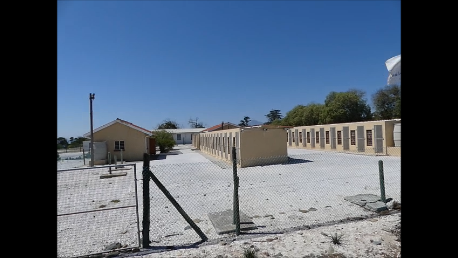
And just like that, our day at Robben Island was over. Brian and I both said it would have been better if you could just do a walking tour of the island, either an audio tour (like Alcatraz) or with signage. That way you wouldn’t feel so rushed and “herded” everywhere. There really wasn’t enough time to soak it all in. We were only on the island for about 2 hours. One thing will stick out in my mind always. Something our former political prisoner guide said. A tourist asked him what crime he committed. He simply answered that he committed no crime. His charges were a different thing entirely, though. How true. How can standing up for your basic human rights- the right to be treated fairly and equally, the right to freedom and dignity, be a crime- even if you have to use force? Who among us wouldn’t do the same? His words were so simple, but so powerful.
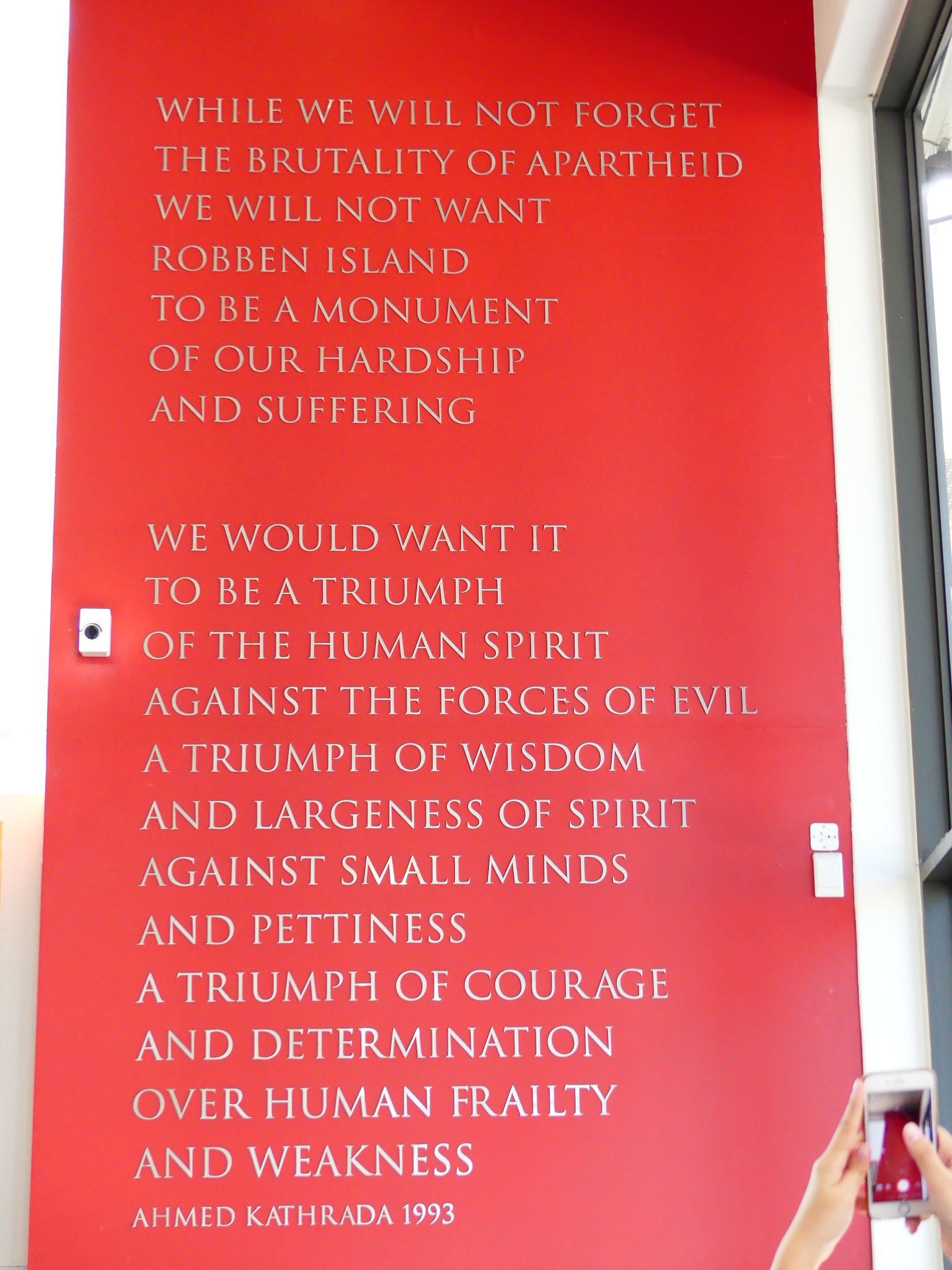
Went back to the dock, boarded our return boat (not nearly as nice as the first one), and grabbed lunch at the water front. Returned our car, checked our bags with Lufthansa, and off we went. It gets harder and harder to come home after each trip. My traveling legs are already itchy, and I’m seriously contemplating a trip to Colombia over spring break in two months. I don’t feel like I can wait for summer. I’m writing this blog from my couch, it’s 11am and thanks to relentless jag lag I’ve already been awake for almost 12 hours (that’s right- since 11:30pm last night). I’ll hit a wall here soon, and the vicious cycle will start again. But it’s all worth it. Because I went in to Africa. And Africa went into me.
